

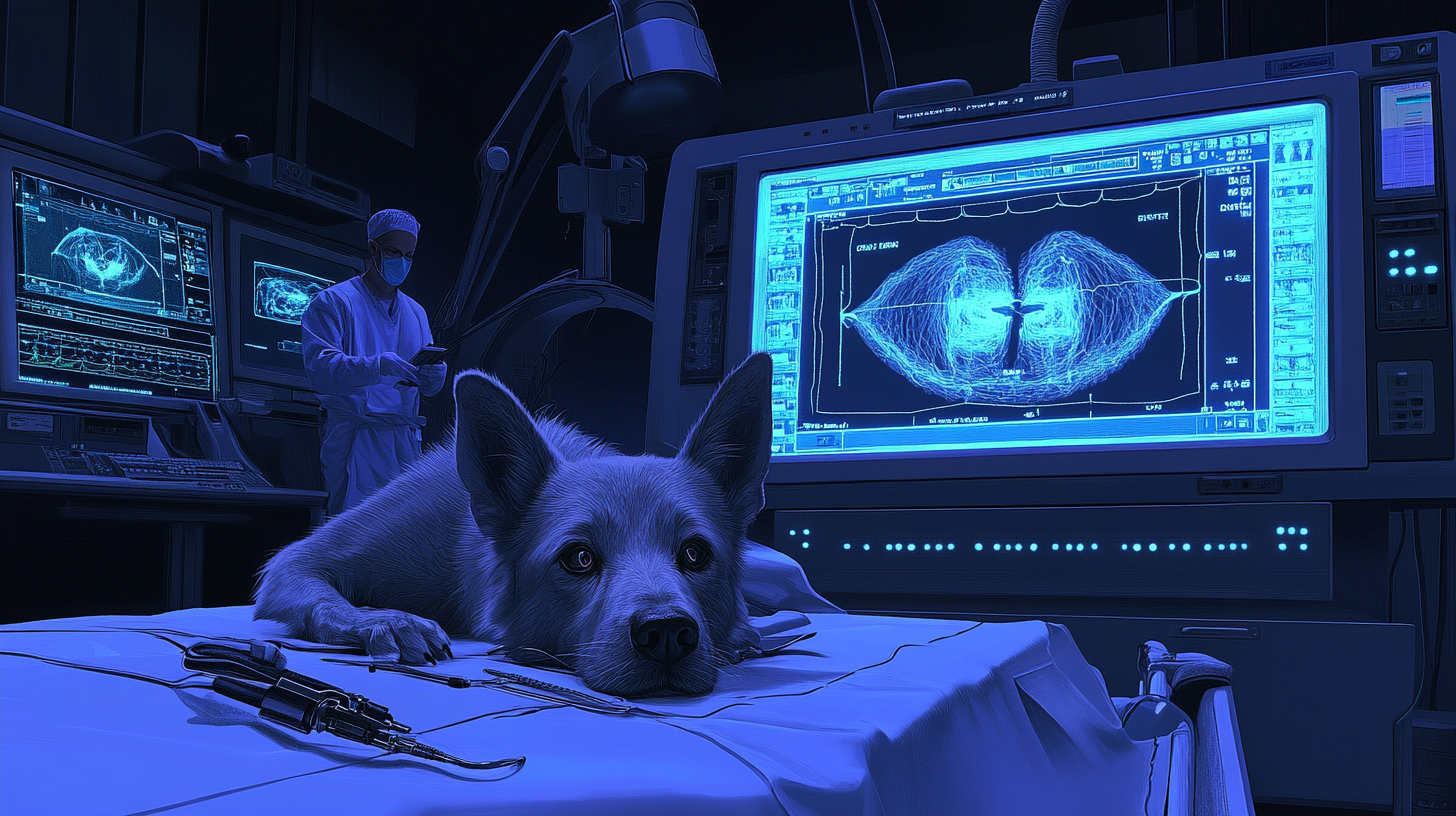
Many dog owners first notice something off when their pup starts bumping into furniture or developing a cloudy appearance in one or both eyes. Cataracts can progress quickly if left unaddressed, eventually leading to significant vision loss. With early detection, however, there are effective ways to manage or even treat this condition so dogs can live with comfort and better eyesight.
What Is the Main Cause of Cataracts in Dogs?
Cataracts in dogs most often develop due to genetic predisposition,1 but other factors—like diabetes, eye trauma, or aging—can also lead to a cloudy lens and impaired vision.
Cataracts are characterized by a cloudiness of the lens in a dog’s eye, obstructing light from passing through. While hereditary causes rank highest, other triggers include diabetes mellitus, inflammation inside the eye (uveitis), and injury to the eye area. Additionally, certain dog breeds experience a higher incidence of cataracts, which can appear at younger ages. Even puppies can develop cataracts from nutritional imbalances, although these cases are rarer and often improve as they mature.
Common Contributors to Canine Cataracts
- Genetics: Inherited defects are the top cause, especially among breeds like Cocker Spaniels, Labrador Retrievers, and Siberian Huskies.
| Breed | Age of Onset | Type of Cataract | Inheritance Pattern | Recommended Screening Age |
|---|---|---|---|---|
| Boston Terrier | 6-24 months | Posterior polar | Autosomal recessive | 8-12 months |
| Golden Retriever | 2-5 years | Progressive cortical | Polygenic | 12-18 months |
| Siberian Husky | 6-18 months | Bilateral posterior | Autosomal dominant | 6-12 months |
| Miniature Schnauzer | 2-4 years | Cortical triangular | Autosomal recessive | 18-24 months |
| Standard Poodle | 2-6 years | Progressive cortical | Complex inheritance | 12-18 months |
| Cocker Spaniel | 1-3 years | Nuclear | Autosomal recessive | 12 months |
- Diabetes Mellitus: A dog with diabetes has an elevated risk of cataracts due to abnormal blood sugar levels that affect the eye lens.2
- Age-Related Changes: Older dogs can develop cataracts gradually over time.
- Trauma or Injury: Eye lens rupture or damage can cause inflammation and lead to cataract formation.
- Nutritional Deficits: Rarely, improper nutrition in very young puppies may result in transient cataracts.
What Are the Symptoms of Cataracts in Dogs?

The most recognizable sign of canine cataracts is a cloudy or white film over the eye, often accompanied by vision changes like bumping into objects and difficulty navigating dimly lit spaces.
A milky or grayish lens can sometimes appear suddenly, especially in diabetic dogs, while other dogs experience a slow progression that starts small and becomes more noticeable. In addition to visual clues, owners may notice behavior shifts such as disorientation, increased anxiety, or hesitancy moving around unfamiliar areas.
Signs That May Point to Cataracts
- Cloudy or bluish haze on the pupil
- Clumsiness, bumping into furniture or walls
- Hesitation around stairs or in low-light environments
- Pawing at the eye, blinking more than usual
- Anxiety at night or in unfamiliar settings
Keep in mind that not all cloudiness in an older dog’s eye is necessarily cataracts; another condition called nuclear sclerosis also creates a bluish haze but typically doesn’t affect vision as severely. If you’re unsure, consult a veterinarian or veterinary ophthalmologist for a detailed evaluation.
Can Cataracts Go Away on Their Own in Dogs?
Cataracts do not resolve spontaneously and will either remain stable or progress over time, potentially leading to blindness and other complications if untreated.
A minor exception is “nutritional cataracts” in some puppies, which may improve as the dog matures and receives a balanced diet. However, for the vast majority of adult dogs, cataracts won’t just vanish. In fact, advanced cataracts may cause inflammation and increase intraocular pressure, paving the way for glaucoma and permanent vision loss.
Potential Complications of Untreated Cataracts
- Lens Luxation: Where the lens slips from its normal position, causing pain and rapid vision decline.
- Uveitis: Inflammation inside the eye, often painful and damaging to ocular structures.
- Glaucoma: Elevated eye pressure that can quickly impair vision and lead to irreversible blindness.
Consistent follow-up with a veterinary professional is key to monitoring progression and mitigating these risks.
How Are Cataracts in Dogs Diagnosed?
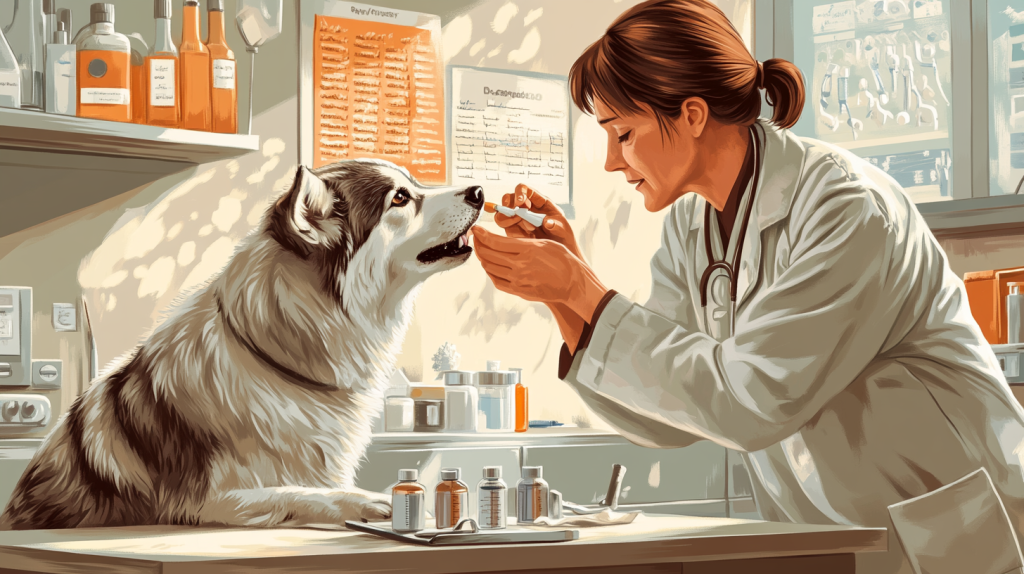
Diagnosis often starts with a thorough physical exam, followed by specialized eye tests like slit-lamp biomicroscopy and ocular ultrasounds to confirm the presence and stage of cataracts.
Veterinary teams may conduct blood tests or check urine if diabetes or other systemic diseases are suspected. Assessing the retina’s health through an electroretinogram (ERG) can also help determine whether surgery is a viable option.
Common Diagnostic Tests
- Eye Pressure (Tonometry): Screens for glaucoma, which can occur alongside cataracts.
- Slit-Lamp Examination: Offers a detailed view of the lens, cornea, and iris.
- Ophthalmic Ultrasound: Examines internal structures of the eye, especially if the lens is too opaque to see the retina clearly.
- Electroretinogram (ERG): Evaluates retinal function before surgery.
What Is the Best Treatment for Cataracts in Dogs?
Surgical removal of cataracts—through a procedure called phacoemulsification—remains the most definitive treatment and can dramatically restore a dog’s vision if the underlying eye structures are healthy.3
| Step | Key Action for Owners |
|---|---|
| Before the Procedure | Schedule a comprehensive health evaluation to ensure the dog is fit for anesthesia and to set realistic expectations. |
| During the Procedure | Maintain a calm environment and arrange any necessary supportive care so the veterinary team can work without stress. |
| Immediate Aftercare | Use protective measures (e.g., cones or eye shields) and follow instructions for medicated drops to prevent irritation. |
| Long-Term Follow-Up | Keep regular check-ups to monitor healing progress and maintain any supportive eye care recommended by the vet. |
In phacoemulsification, the surgeon uses ultrasound energy to break up and remove the cloudy lens, often replacing it with an artificial lens that improves clarity of vision. After surgery, dogs usually require protective measures like an Elizabethan collar and medicated eye drops to support healing.
Surgery Overview
- Pre-Surgery Preparation: Eye drops to control inflammation, plus bloodwork and vision testing to ensure surgery readiness.
- Procedure: The cloudy lens is emulsified with ultrasound and removed; typically, an artificial lens is implanted.
- Recovery: Strict activity restriction, regular follow-up appointments, and eye drops to prevent infection or inflammation.
Non-Surgical Management
Although no eye drop or medication truly “dissolves” established cataracts in older dogs, certain prescriptions may help minimize inflammation and slow progression. These include anti-inflammatory drops or medications to address secondary complications like uveitis. Non-surgical methods focus on comfort and safety—optimizing a pet’s home environment with more lighting, reducing obstacles, and monitoring them for any changes.
How Can I Reduce My Dog’s Risk of Cataracts?
While genetics play a major role, you can lower the odds or delay cataract onset by managing conditions like diabetes, ensuring eye safety, and providing routine veterinary care to catch early warning signs.
Regular check-ups allow early detection of medical issues that may lead to or accelerate cataracts. Proactive steps—such as controlling blood sugar levels in diabetic dogs, avoiding eye trauma, and feeding a nutrient-rich diet—can make a significant difference.
Preventive Tips
- Keep Up with Check-Ups: Schedule yearly eye exams, especially for high-risk breeds or older dogs.
- Manage Diabetes: Monitor blood glucose levels diligently if your dog has diabetes.
- Eye Safety: Be cautious of rough play and potential eye hazards in the environment.
- Proper Diet: Ensure meals are well-balanced and appropriate for your dog’s life stage and breed.
- Watch for Subtle Changes: Any shift in eye appearance or vision warrants a vet visit.
Understanding the Stages of Cataracts
There are four typical stages of cataracts in dogs: incipient, immature, mature, and hypermature. Each indicates a different severity level and influences treatment choices.
Even if a cataract is discovered at the early (incipient) stage, regular monitoring is crucial. Early intervention can preserve better vision and make surgery more successful if it becomes necessary.
The Four Stages
- Incipient: A tiny, barely noticeable opacity covers less than 15% of the lens; minimal effect on vision.
- Immature: Covers 15–99% of the lens; vision declines, and surgery becomes a consideration.
- Mature: The entire lens is opaque, leading to significant or complete vision loss.
- Hypermature: The lens begins to shrink or break down, often causing painful inflammation and further complications.
The Cost of Treating Cataracts in Dogs
Cataract surgery varies widely in price, from around $2,000 to $4,000 or more, depending on location, pre- and post-operative needs, and potential complications.
Additional expenses may include specialty ophthalmologist consultations, pre-surgery screenings (blood tests, ERG), medications, and follow-up visits. While it may feel substantial, many pet parents find the cost worthwhile for restoring a dog’s vision, quality of life, and long-term eye health.
Factors Affecting Cost
- Geographic Location
- Surgical Facility and Surgeon Expertise
- Diagnostic Tests (Ultrasound, ERG, lab work)
- Post-Operative Medications and specialized follow-up care
Life After Cataracts: Recovery and Long-Term Care
Recovering dogs often resume near-normal vision with proper surgery and care, though the first few weeks post-operation are critical for healing and infection prevention.
| Timeline | Expected Progress | Warning Signs | Required Care Actions |
|---|---|---|---|
| Days 1-3 | Mild discomfort, slight discharge | Excessive tearing, pawing at eye | Strict E-collar use, antibiotic drops every 4-6 hours |
| Days 4-7 | Decreased inflammation, improved clarity | Squinting, colored discharge | Continue medications, restrict activity, monitor eating/drinking |
| Week 2 | Better visual response, healing incision | Cloudiness, sudden vision changes | Begin tapering medications, short controlled walks |
| Weeks 3-4 | Stable vision, normal behavior resuming | Rubbing against furniture, anxiety | Regular cleaning around eye, gradual activity increase |
| Month 2 | Full recovery expected | Any vision regression | Final check-up, establish long-term care routine |
| Long-term | Maintained vision improvement | Changes in eye pressure | Bi-annual check-ups, continued eye health monitoring |
Owners can expect prescription eye drops several times a day, limited exercise, and possibly wearing a protective collar to shield the eyes from scratching or trauma. A harness (rather than a neck collar) may be recommended to reduce pressure around the head. Long-term, many dogs do well with routine check-ups, proper nutrition, and a little extra caution during play and outdoor adventures.
Keeping an eye on your dog’s overall health—especially if there’s an underlying cause like diabetes—also aids in maintaining clear vision. By staying vigilant about eye health and addressing changes promptly, you maximize your dog’s comfort and ensure they continue to thrive.
Frequently Asked Questions
Are cataracts painful for my dog?
Cataracts themselves do not usually cause pain, but they can lead to secondary issues like uveitis or glaucoma, which are painful if left untreated. Keeping a close watch on your dog’s eye health is key to preventing more serious complications.
Could certain supplements or diets help manage cataracts?
While no diet or supplement cures established cataracts, antioxidants and nutrient-rich foods may support healthier eye function. Always talk to a veterinarian before adding any specialized supplements to ensure they match your dog’s overall health needs.
How soon after a dog is diagnosed with cataracts should I consider surgery?
Some veterinarians recommend scheduling an evaluation with a veterinary ophthalmologist once cataracts begin affecting vision. Early intervention often leads to better outcomes and helps prevent complications like lens luxation or chronic inflammation.
Is cataract surgery safe for older dogs?
Surgery candidacy depends more on overall health rather than age alone. Many senior dogs undergo successful cataract removal once a thorough medical assessment confirms they can handle anesthesia and post-operative recovery.
Can cataracts come back after removal?
True cataract regrowth is uncommon because the original lens is removed during surgery. However, some dogs may develop post-surgical conditions that affect vision, so ongoing check-ups are essential for detecting any new issues early.
Is there a connection between diabetes and cataracts in dogs?
Yes, diabetic dogs have a higher risk of cataracts because persistent high blood sugar disrupts the lens. By managing diabetes through proper medication and diet, you may slow cataract progression and protect your dog’s remaining vision.
References:
- Cantero, F., S, N., A, M., & Leiva, M. (2023). Prevalence of ocular findings and their association with glycemia in dogs with diabetes mellitus: A 10-year clinical study (2009-2019). Open Veterinary Journal, 13(5), 620. https://doi.org/10.5455/ovj.2023.v13.i5.15 ↩︎
- Mellersh, C. S. (2014). The genetics of eye disorders in the dog. Canine Genetics and Epidemiology, 1(1), 3. https://doi.org/10.1186/2052-6687-1-3 ↩︎
- Yi, N., Park, S., Jeong, M., Kim, W., Kim, S., Chae, J., & Seo, K. (2006). Phacoemulsification and acryl foldable intraocular lens implantation in dogs: 32 cases. Journal of Veterinary Science, 7(3), 281. https://doi.org/10.4142/jvs.2006.7.3.281 ↩︎