


Dry eye syndrome occurs when your eyes cannot maintain a healthy protective film of tears, either due to insufficient tear production or increased tear evaporation. This common condition affects millions of people worldwide and can significantly impact daily comfort and vision quality if left untreated.
Understanding Dry Eye Syndrome
| Tear Layer | Primary Function | Produced By | Role in Dry Eye |
|---|---|---|---|
| Outer Lipid Layer | Prevents Evaporation | Meibomian Glands | Controls tear film stability |
| Middle Aqueous Layer | Provides Moisture | Lacrimal Glands | Maintains eye hydration |
| Inner Mucin Layer | Ensures Even Coverage | Goblet Cells | Enables tear adherence |
Your eyes rely on a complex tear film system. When disrupted, whether through decreased tear production or increased evaporation, it leads to dry eye syndrome. This condition can range from mild irritation to severe discomfort that affects daily activities.
Types of Dry Eye Syndrome

There are two primary forms of dry eye syndrome that affect patients differently and require distinct treatment approaches:
Aqueous-Deficient Dry Eye
Aqueous-deficient dry eye occurs when the lacrimal glands fail to produce enough of the watery component of tears. The reduced tear volume leads to insufficient eye surface lubrication and can cause significant discomfort.
Evaporative Dry Eye
More common than aqueous-deficient dry eye, evaporative dry eye results from excessive tear evaporation, often due to Meibomian gland dysfunction. These glands fail to secrete enough oil into the tears, causing them to evaporate too quickly from the eye’s surface.
Common Causes of Dry Eye Syndrome
Several underlying health conditions contribute to dry eye:
- Rheumatoid arthritis
- Lupus
- Sjögren’s syndrome
- Diabetes
- Thyroid disorders
- Scleroderma
- Vitamin A deficiency
Environmental Factors
Environmental factors can impact eye comfort:
- Low humidity environments
- Air conditioning or heating
- Windy conditions
- Smoke exposure
- Extended screen time
- High altitudes
Medications
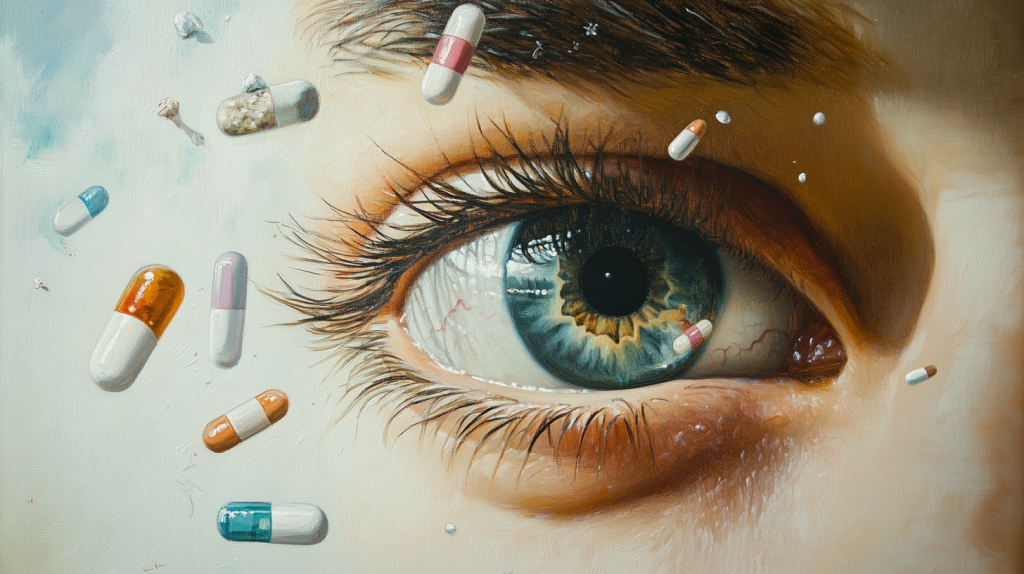
Many common medications can decrease tear production:
- Antihistamines
- Decongestants
- Antidepressants
- Blood pressure medications
- Birth control pills
- Hormone replacement therapy
- Acne treatments
Lifestyle Factors
Daily habits and activities that can contribute to dry eye include:
- Extended computer use
- Insufficient blinking
- Contact lens wear
- Smoking
- Inadequate sleep
- Poor nutrition
Symptoms of Dry Eye Syndrome
Dry eye syndrome manifests through various symptoms that can affect one or both eyes:
Primary Symptoms
- Burning or stinging sensation
- Feeling of sand or grit in the eyes
- Excessive tearing
- Stringy mucus around the eyes
- Redness
- Blurred vision
- Light sensitivity
- Difficulty wearing contact lenses
- Eye fatigue
Progressive Symptoms
Some symptoms may worsen throughout the day:
- Increased discomfort in the evening
- Vision fluctuations
- Eye strain during focused tasks
- Morning eye irritation
- Difficulty opening eyes after sleep
Diagnosis Methods
Healthcare providers use several approaches to diagnose dry eye syndrome:
Clinical Evaluation
- Comprehensive medical history review
- Discussion of symptoms and their impact
- Examination of eye surface and lid structure
- Assessment of blink patterns and tear quality
Diagnostic Tests
- Schirmer’s test for measuring tear production
- Tear film break-up time assessment
- Fluorescein dye evaluation
- Tear osmolarity testing
- Meibomian gland examination
Treatment Options

| Treatment Type | Best For | Expected Benefits | Maintenance Required |
|---|---|---|---|
| Artificial Tears | Mild Cases | Immediate Relief | Regular Application |
| Prescription Drops | Moderate Cases | Long-term Improvement | Daily Use |
| Punctal Plugs | Severe Cases | Sustained Relief | Periodic Checks |
| Thermal Treatment | MGD Cases | Gland Function | Regular Sessions |
| IPL Therapy | Chronic Cases | Inflammation Control | Scheduled Sessions |
| Eyelid Hygiene (Tea Tree Oil wipes) | All Cases | Prevention | Daily Routine |
| Environmental Changes | Early Stage | Symptom Prevention | Ongoing Adjustments |
Managing dry eye syndrome typically involves a multi-faceted approach:
Lifestyle Modifications
- Regular screen breaks using the 20-20-20 rule
- Maintaining proper humidity levels
- Protecting eyes from wind and dry air
- Improving sleep habits
- Dietary changes to include omega-3 fatty acids
Over-the-Counter Solutions
- Artificial tears and lubricating drops
- Gel-based eye drops for overnight use
- Eyelid cleansing products
- Omega-3 supplements
Prescription Treatments
- Anti-inflammatory eye drops
- Tear-stimulating medications
- Antibiotics for underlying conditions
- Corticosteroids for severe cases
Advanced Therapies
- Punctal plugs to prevent tear drainage
- Meibomian gland expression
- Intense pulsed light therapy
- Thermal pulsation treatment
- Amniotic membrane therapy
Prevention Strategies
While some causes of dry eye syndrome cannot be prevented, several strategies can help reduce risk and severity:
Environmental Controls
- Use a humidifier in dry environments
- Position air vents away from eyes
- Wear wraparound sunglasses outdoors
- Take regular breaks during screen use
Dietary Considerations
- Stay well-hydrated
- Consume foods rich in omega-3 fatty acids
- Include vitamin A-rich foods in diet
- Limit alcohol and caffeine intake
Eye Care Habits
- Practice good eyelid hygiene
- Remove eye makeup thoroughly
- Use proper contact lens care
- Maintain regular eye examinations
When to Seek Professional Help
Consult an eye care professional if you experience:
- Persistent eye discomfort
- Decreased vision quality
- Sensitivity to light that affects daily activities
- Symptoms that worsen despite self-care measures
- Eye redness that doesn’t improve
- Pain or severe irritation
Long-term Management

Successfully managing dry eye syndrome requires:
- Consistent adherence to treatment plans
- Regular monitoring of symptoms
- Adjustment of treatments as needed
- Lifestyle modifications maintenance
- Ongoing communication with healthcare providers
Special Considerations
Contact Lens Wearers
- Choose appropriate lens materials
- Follow proper cleaning protocols
- Consider daily disposable lenses
- Use contact lens-compatible eye drops
Digital Device Users
- Implement proper screen ergonomics
- Use blue light filtering
- Practice conscious blinking
- Take frequent screen breaks
Post-Surgery Patients
- Follow post-operative care instructions
- Use prescribed medications as directed
- Attend follow-up appointments
- Report any unusual symptoms promptly
Impact on Quality of Life
Dry eye syndrome can significantly affect:
- Work productivity
- Reading ability
- Digital device use
- Driving safety
- Social interactions
- Overall comfort
Understanding these impacts helps in:
- Setting realistic treatment expectations
- Developing coping strategies
- Making necessary lifestyle adjustments
- Maintaining emotional well-being
Latest Research and Developments
Recent advances in dry eye treatment include:
- Novel drug delivery systems
- Biological tear substitutes
- Advanced diagnostic technologies
- Innovative therapeutic approaches
- Personalized treatment protocols
These developments continue to improve our understanding and management of dry eye syndrome, offering hope for better outcomes for those affected by this condition. Recent studies have shown that conditions like blepharitis and Demodex mites can complicate treatment approaches, requiring specialized care protocols.
FREQUENTLY ASKED QUESTIONS
How long does dry eye syndrome last?
Dry eye syndrome is typically a chronic condition that requires ongoing management. While symptoms can be effectively controlled with proper treatment, the underlying condition usually doesn’t completely go away. Most people need to continue their treatment plan indefinitely to maintain comfort and eye health.
Can dry eyes cause permanent damage if left untreated?
Yes, untreated dry eye syndrome can lead to permanent damage. Without proper treatment, chronic dry eye can cause corneal scarring, vision problems, and increased risk of eye infections. This is why early intervention and consistent management are crucial for protecting long-term eye health.
Does screen time really affect dry eye symptoms?
Extended screen time significantly impacts dry eye symptoms because people blink less frequently when looking at digital devices (about 1/3 their normal rate). This reduced blinking leads to increased tear evaporation and eye strain. Following the 20-20-20 rule and maintaining proper screen positioning can help minimize these effects.
How effective is omega-3 supplementation for dry eyes?
Research shows that omega-3 supplementation can improve dry eye symptoms in 70-80% of patients when taken consistently for at least 3 months. The recommended dosage typically ranges from 1000-3000mg daily, but effectiveness varies by individual and should be discussed with a healthcare provider.
Can dry eye syndrome affect only one eye?
While dry eye syndrome typically affects both eyes, symptoms can be more severe in one eye than the other. If only one eye is affected, it may indicate an underlying condition or injury requiring specific evaluation and treatment.
What’s the connection between menopause and dry eyes?
Hormonal changes during menopause can significantly impact tear production and quality. Decreased estrogen levels affect the meibomian glands’ function and reduce tear production, making post-menopausal women particularly susceptible to dry eye syndrome. This is why women over 50 have a higher prevalence of the condition.
How do I know if my dry eyes are caused by an autoimmune condition?
If your dry eyes are accompanied by dry mouth, joint pain, fatigue, or other systemic symptoms, it may indicate an underlying autoimmune condition like Sjögren’s syndrome. Blood tests and comprehensive evaluation by a healthcare provider can help determine if autoimmune factors are contributing to your dry eye symptoms.
References:
Dry eyes – Symptoms & causes – Mayo Clinic. (2022, September 23). Mayo Clinic. https://www.mayoclinic.org/diseases-conditions/dry-eyes/symptoms-causes/syc-20371863
Hecht, M. (2024, March 29). What is evaporative dry eye? Healthline. https://www.healthline.com/health/eye-health/evaporative-dry-eye
Higgins, D. J., & Higgins, D. J. (2023, August 31). Tear film: What is it & how does it affect your vision? Higgins Brothers’ Vision Care |. https://higginsvisioncare.com/tear-film-what-is-it-how-does-it-affect-your-vision/
Williams, S. C. (2023, May 3). Climate, environment and dry eye. WebMD. https://www.webmd.com/eye-health/dry-eye-irritants