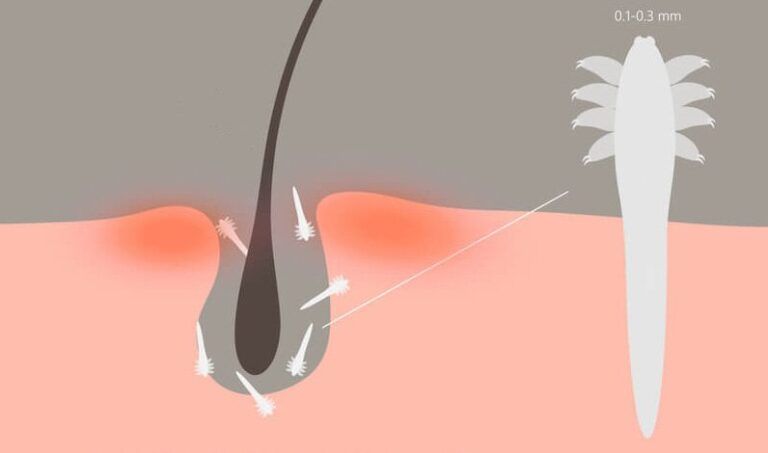

Maintaining good eyelid hygiene is important to overall eye health and especially so for those prone to conditions such as blepharitis, dry eye, or Demodex infestations. When it comes to eyelid cleansing, tea tree oil wipes have become one of the best natural options.
Tea tree oil wipes are increasingly recommended by healthcare professionals for improving eyelid hygiene and prevention of eye-related complications, due to their antimicrobial and anti-inflammatory properties.
The Importance of Eyelid Hygiene
The eyelids and eyelashes are a protective barrier to the eyes, protecting them from environmental irritants and allergens and acting as a second barrier to bacteria. Unfortunately, these same areas where bacteria, oils, and dead skin cells accumulate can create the opportune environment for bacteria to grow and other pathogens. Without proper hygiene, these issues can escalate into conditions such as:
- Blepharitis: It is a chronic inflammation of the eyelids associated with bacterial or Demodex mite overgrowth.
- Dry Eye Syndrome: Dry eye symptoms are often worsened by poor eyelid hygiene because it disrupts the tear film.
- Styes and Chalazia: Painful lumps can occur when oil glands are blocked by unclean eyelid margins.
Not only does regular cleansing of the eyelids prevent these problems, but it is also part of necessary daily routines to ensure comfort and health of the eyes by many people.
Tea Tree Oil Eyelid Wipes: A Convenient and Natural Solution
Tea Tree Oil Eyelid Wipes are a natural and effective addition to your eyelid hygiene routine. These wipes are infused with Tea Tree Oil, Hyaluronic Acid, Green Tea and Chamomile and are formulated for targeted relief of blepharitis, itchy eyes, styes and more. Their hypoallergenic, gentle formula removes dirt, makeup, and oils without irritation or residue, and they’re safe for everyday use.
They are individually wrapped for convenience and are great for at home care and on the go maintenance. In addition to cleansing, these wipes soothe and refresh the eyelids, making them an all in one way to keep your eyes healthy and comfortable.
Unique Benefits of Using Tea Tree Oil Wipes
Derived from the leaves of the Melaleuca alternifolia plant, tea tree oil has been long celebrated as an antimicrobial, antifungal, and anti-inflammatory oil. When incorporated into eyelid wipes, this natural ingredient offers targeted benefits:
It Is Effective Against Demodex Mites

Microscopic parasites called demodex mites live in the hair follicles and sebaceous glands, including on the eyelids. Blepharitis is a common cause of these mites. Studies have shown that tea tree oil eradicates Demodex mites very effectively and reduces inflammation and symptoms caused by overgrowth.
Reduces Bacterial Load
The bacteria and debris that build up on the eyelid margins is removed by tea tree oil wipes, lessening the chances of infection. It’s certainly a big plus, especially for people who have contact lenses or are recovering from eye surgeries.
Soothes Inflammation
Tea tree oil has anti-inflammatory properties which reduce irritation and redness. As such, it’s an excellent choice for people with sensitive or inflamed eyelids from chronic conditions or environmental factors.
Tea Tree Oil Wipes vs Other Eyelid Cleansing Methods
Other eyelid hygiene methods, like warm compresses or saline rinses, can work but tea tree oil wipes are convenient and do double duty.
- Convenience: They are travel-friendly and no preparation is needed—simply pull a wipe out of the packet and use.
- Comprehensive Cleaning: Tea tree oil wipes cleanse, exfoliate, and nourish the eyelids, unlike simple rinses.
- Natural Alternative: Tea tree oil is a plant-based alternative for those who want to avoid synthetic chemicals or medicated solutions, and its efficacy has been backed by science.
| Feature | Tea Tree Oil Wipes | Warm Compresses | Saline Rinses |
| Antimicrobial Properties | Yes (tea tree oil actively combats bacteria and mites) | No (provides heat but no direct antimicrobial effect) | Limited (removes debris but not specific pathogens) |
| Ease of Use | Pre-moistened, portable, no preparation required | Requires preparation (heating pads or towels) | Requires separate saline solution and applicator |
| Exfoliation | Yes (removes debris and dead skin cells) | No | No |
| Anti-Inflammatory Effect | Yes (calms redness and irritation) | Mild (soothes via heat) | None |
| Targeted Application | Specific to eyelid margins | General eye area | General rinsing effect |
When Should You Use Tea Tree Oil Wipes?

Adding tea tree wipes to your daily routine is easy and can be helpful for a variety of people, from those who manage certain conditions to those who are just trying to preserve healthy eyelids.
How to Use Tea Tree Oil Wipes: A Step-by-Step Guide
- Wash Hands Thoroughly: First of all, start by cleaning your hands because you don’t want your hands to get dirty or bacteria in your eyelids.
- Close the Eye: Using one eye closed, swipe the tea tree oil wipe along the upper and lower eyelid margins.
- Focus on the Lash Line: Especially, look at the area that bases of the eyelashes are found, where debris and mites are more likely to collect.
- Repeat on the Other Eye: To avoid cross-contamination for the other eye, use a new wipe.
- Do Not Rinse: Let the natural oils stay on the skin to keep doing their antimicrobial work.
Tea tree oil wipes can benefit anyone who is looking for a natural way to clean or disinfect their skin.
| Condition | Frequency of Use | Additional Tips |
| Blepharitis | Twice daily | Focus on the lash line to remove crusts and bacteria buildup. Use warm compress beforehand for better results. |
| Demodex Mite Infestation | Twice daily | Ensure thorough cleaning of lash margins.. |
| Dry Eye Syndrome | Once daily (preferably at night) | Combine with artificial tears for additional moisture. Avoid over-wiping to prevent dryness. |
| Post-Surgical Care | As recommended by a doctor | Use only sterile, high-quality wipes specifically approved for post-operative use. |
| General Preventative Care | Once daily or as needed | Incorporate into a skincare routine to prevent debris buildup and maintain hygiene. |
It’s Not Just for Those with a Diagnosed Eye Condition
Their versatile properties make them a valuable addition to a wide range of care routines:
Individuals With Blepharitis
Using it regularly will help manage chronic eyelid inflammation not only by decreasing bacterial load but also targeting Demodex mites. Tea tree oil wipes can help symptoms like redness, swelling, and crusting over time.
Contact Lens Wearers
Frequent handling of the eyes makes contact lens users more prone to bacterial contamination. Using tea tree oil wipes can provide an extra layer of hygiene to stop such infections as conjunctivitis.
Post-Surgical Patients
Eyelid hygiene is essential following procedures like LASIK or cataract surgery to decrease the chance of complications. Tea tree oil wipes are gentle but effective for post-operative care.

People With Dry Eye Syndrome
Tea tree oil wipes keep the eyelid margin clean and healthy, supporting the tear film and helping to relieve symptoms of dry eye including itching and burning.
General Preventative Care
Not only can the tea tree wipes be used by those with specific eye concerns, but they can also be used by anyone looking to keep their eyelid health in tip-top shape to prevent problems from developing in the first place.
Possible Precautions & Warnings
While tea tree oil wipes are generally safe for most individuals, there are a few precautions to keep in mind:
- Patch Test Before Use: Tea tree oil is a very powerful natural ingredient and may irritate some people. Before using near your eyes, perform a patch test on a small area of skin.
- Avoid Direct Eye Contact: Avoid having the wipe come in direct contact with the eye so it won’t sting or cause discomfort.
- Choose High-Quality Products: Not all tea tree oil wipes are the same. Choose products that have been created especially for use on the eyelid, since they should contain fewer harsh additives or irritants.
- Consult a Specialist for Chronic Conditions: If you think there’s something more serious going on, like chronic blepharitis or an eye infection, an eye care professional can help, along with your hygiene routine.
How to Use Tea Tree Oil Wipes
It doesn’t have to be complicated to build a consistent eyelid hygiene routine. Follow these tips for best results:
- Daily Use: Once or twice a day, use tea tree oil wipes as part of your morning and evening skincare routine.
- Complementary Products: Warm compresses can also be combined with to loosen debris, or use along with artificial tears for added comfort.
- Long-Term Commitment: With chronic conditions such as Demodex infestations or blepharitis, consistency is key. Results are long-lasting with long-term use.

Eyelid Hygiene: Broader Implications
Healthy eyelids are important in more than just the prevention of localized conditions, and in fact play a crucial role in overall ocular health. A stable tear film, reduced risk of systemic infections, and comfort for everyday activities including screen use or outdoor exposure are promoted by a clean eyelid margin.
When instilled into a holistic eye care routine, tea tree oil wipes offer immediate relief and a long-term improvement.
Conclusion
Modern, natural eyelid hygiene and eye health in a bottle. Antimicrobial, anti-inflammatory, and convenient properties make them a versatile tool for a wide range of people. From managing chronic conditions to taking preventive steps, use of these wipes will help keep your eyes healthy, comfortable, and well protected.
FREQUENTLY ASKED QUESTIONS
Are tea tree oil wipes safe for eyes?
How do tea tree oil wipes help with Demodex?
Can tea tree oil wipes help with styes?
How often should you use tea tree oil wipes on eyelids?
What’s the difference between tea tree oil wipes and regular eye wipes?
Can contact lens wearers use tea tree oil wipes?
References:
Agarwal, S. (2024). The critical role of lid and lid margin in ocular surface disorders. Indian Journal of Ophthalmology, 72(10), 1385–1386. https://doi.org/10.4103/ijo.ijo_2085_24
Blepharitis – Symptoms & causes – Mayo Clinic. (2022, May 10). Mayo Clinic. https://www.mayoclinic.org/diseases-conditions/blepharitis/symptoms-causes/syc-20370141
Demodex infestation – EyeWiki. (2024, October 20). https://eyewiki.org/Demodex_Infestation
Koh, K., Pearce, A., Marshman, G., Finlay-Jones, J., & Hart, P. (2002). Tea tree oil reduces histamine-induced skin inflammation. British Journal of Dermatology, 147(6), 1212–1217. https://doi.org/10.1046/j.1365-2133.2002.05034.x
Visual Aids Centre. (2024, October 29). How to clean eyelashes after lasik? https://www.visualaidscentre.com/how-to-clean-eyelashes-after-lasik/
Want an extra-strength option for your daily routine? Try NOVEHA xDermadex demodex eyelid wipes – individually wrapped tea tree oil wipes for gentle cleansing of the eyelids and lash line.