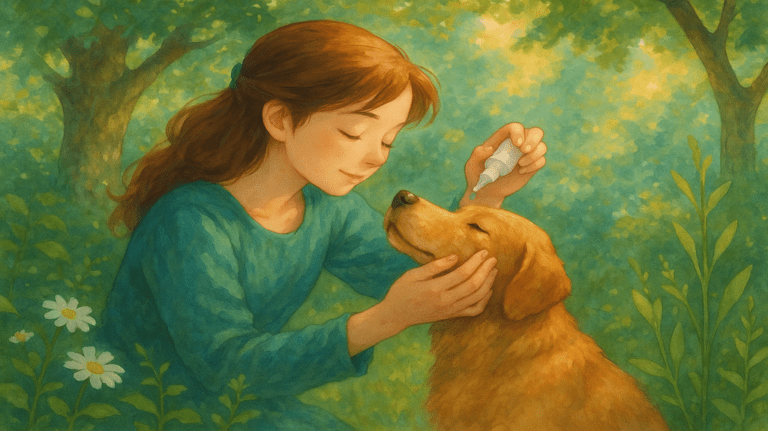
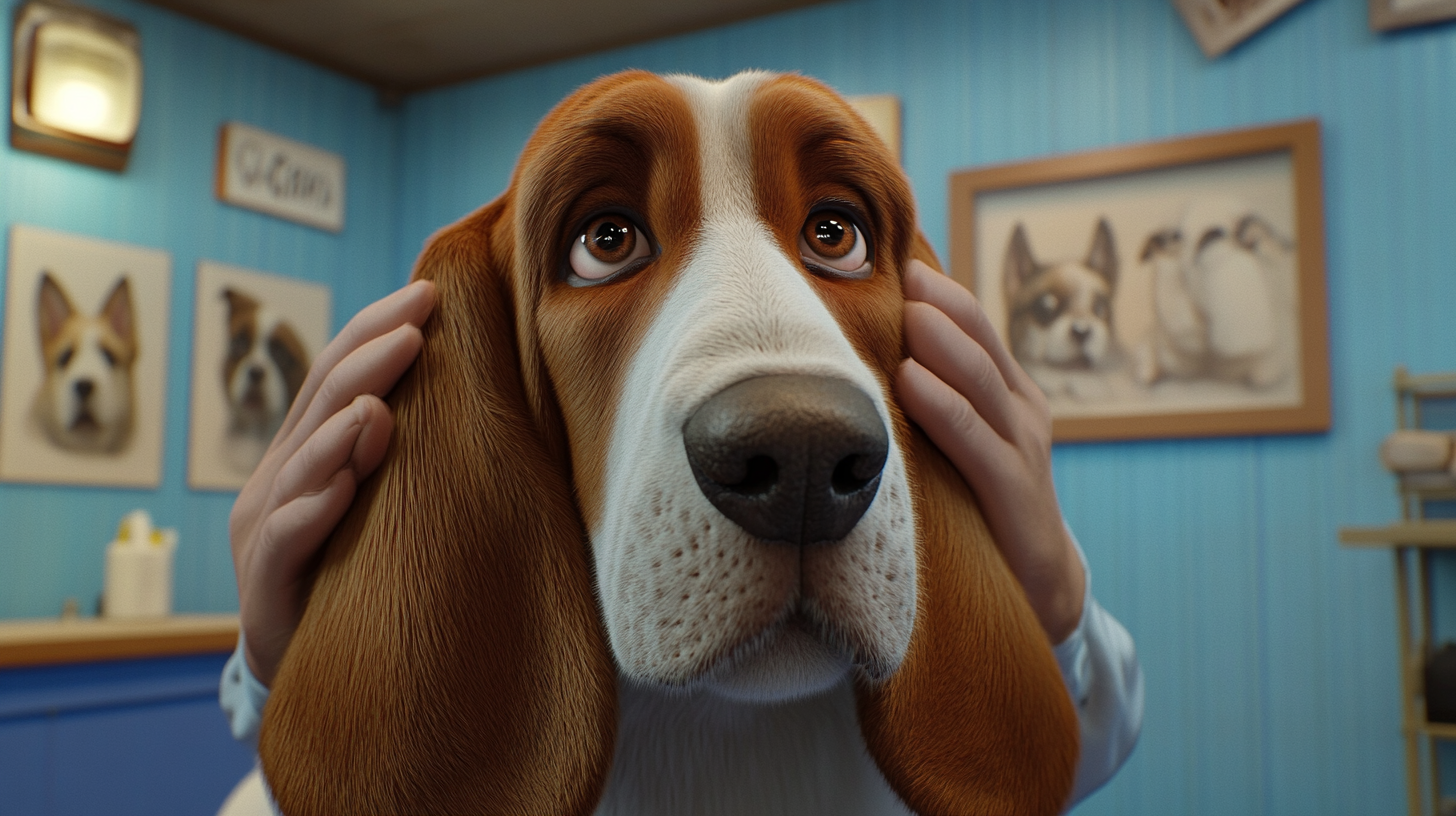
Early detection of ear infections can help keep your pet from being uncomfortable and avoid more serious problems. Of course, veterinary care is important, but it is also important to know how to early warning signs so you can take action before the condition progresses too far. In this comprehensive guide, we will explain what to look for and when it’s time to get help from a professional.
Understanding Healthy Ears in Your Pet
First, let’s discuss what healthy ears look like, before we discuss the symptoms of infection. A healthy pet ear should be relatively odorless and have these characteristics:
- Pink (not red or inflamed)
- Clean and not too full of debris
- Not sensitive to normal touch
- Without visible dirt or discharge
Signs That Often Go Unnoticed
Most pet owners don’t notice the early signs that lead to a full ear infection. Watch for these early warning signs:
Ear-Related Behavior Changes
- Your pet is paying increased attention to one or both ears
- Slight head tilting while at rest
- Mild resistance when you touch the ear area
- Head shaking after waking up occasionally
Changes Before Physical Infection
- Slight increase in ear warmth
- Redness around the ear opening
- Subtle changes in ear odor
- The ear flap is slightly swollen
Signs of Advanced Warning Requiring Immediate Attention

When early signs progress, you may notice more obvious symptoms that warrant veterinary care:
Behavioral Indicators
Your pet may display:
- Constant head shaking
- Aggressive scratching at ears
- Ear rubbing against furniture or carpet
- Irritable when ears are touched
- Changes in balance or in the way of walking; trouble with coordination
Physical Symptoms
Watch for:
- Dark brown or black discharge
- Strong, unpleasant odor
- Visible redness or swelling
- Crusting or scabs in the ear
- Noticeable heat coming from the ear area
Extra Monitoring of High Risk Situations
Some situations make it more likely that ear infections will occur. Pay special attention to your pet’s ears during and after:
Water Activities
Infections thrive where moisture can collect, especially when it remains in the ear canal after swimming or bathing. After water exposure:
- Dry the visible part of the ears gently
- Look for extra wetness around the ear opening
- Look for increased head shaking
- Use ear cleaning products that are appropriate for post-swim care
Environmental Changes
Changes in environment can impact ear health:
- Increased ear scratching from environmental allergies
- Moisture buildup periods due to high humidity
- Irritation of the ear canals in dusty conditions
- Increased wax production caused by temperature fluctuations
Daily Monitoring and Prevention
Ear checks are worth doing each day to catch problems early. A simple daily inspection should include:
Visual Check
- Is there visible dirt or debris?
- Check for redness or swelling
- Look at the amount and color of ear wax
- During inspection watch for signs of discomfort
Maintenance Routine
Establish a regular ear care schedule:
- Ear inspections weekly during grooming
- Regular cleaning with the right pet ear wipes
- Careful drying after exposure to water
- Hair maintenance around ear openings
Any changes or concerns should be documented.
Breed-Specific Considerations

Some breeds require extra attention due to their ear structure or predisposition to ear issues:
Breeds with Long or Floppy Ears
Dogs with pendulous ears like Cocker Spaniels and Basset Hounds face unique challenges:
- Air circulation inside the ear canal is reduced
- Higher moisture retention
- Debris accumulation is more likely
- More trouble in seeing early warning signs
- Additional cleaning requirements
| Breed Type | Ear Canal Type | Risk Level | Recommended Cleaning Frequency | Common Issues |
|---|---|---|---|---|
| Cocker Spaniel | Long, pendulous | High | 2-3 times per week | Moisture retention, yeast growth |
| Basset Hound | Heavy, pendulous | Very High | 2-3 times per week | Bacterial growth, debris accumulation |
| Poodle | Hairy canal | High | Weekly | Hair blockage, wax buildup |
| German Shepherd | Upright, open | Moderate | Every 2 weeks | Allergies, mites |
| Bulldog | Short, wrinkled | High | 2-3 times per week | Skin fold infections |
| Labrador | Medium, semi-open | Low-Moderate | Monthly | Swimming-related issues |
| Shih Tzu | Hairy, dropped | High | Weekly | Hair matting, infections |
| Beagle | Long, floppy | High | 2-3 times per week | Trapped moisture, odor |
Hair-Filled Ear Canals Breeds
Breeds like Poodles and Schnauzers need special consideration:
- Hair can hold moisture and debris
- Regular professional grooming required
- Increased risk of wax buildup
- Ear checks need to be more frequent
- Hair removal around ear openings requires special attention

Common Infection Triggers
Understanding what causes ear infections can help you prevent them:
Environmental Factors
Several external conditions can contribute to ear infections:
- High humidity environments
- Excessive swimming or bathing
- Irritants such as dust or pollen
- Weather or seasonal conditions changes
- Poor ventilation in sleeping areas
Health-Related Triggers
Certain health conditions can increase infection risk:
- Food and environmental allergies
- Hormonal imbalances
- Autoimmune disorders
- Previous ear trauma
- Anatomical abnormalities
Setting Up an Effective Ear Care Station
Having the right supplies readily available helps maintain good ear health:
Essential Tools
Your home ear care kit should include:
- Ear cleansing solutions for pets
- Pet ear wipes
- Cotton balls (not cotton swabs)
- Special ear-drying products
- Fresh towels for post-bath care
Proper Storage
Maintain your ear care supplies properly:
- Keep products at room temperature
- Store in a clean and dry place
- Check the expiration dates regularly
- Replace items as needed
- Keep supplies in the same place that is easy to access

Emergency Situations Recognition
While many ear issues can be monitored at home, some situations require immediate veterinary attention:
Red Flag Symptoms
Seek emergency care if you notice:
- Loss of balance or coordination
- Unresolved head tilt
- Vomiting or nausea
- Signs of severe pain
- Facial paralysis or drooping
Changes in Behavior
Watch for these concerning behavioral changes:
- Aggression if ears are being touched
- Constant crying or whining
- Reluctance to eat or drink
- Lethargy or depression
- Unusual eye movements
| Warning Sign | Severity Level | Time to Seek Care | Potential Underlying Causes | Initial Home Assessment |
|---|---|---|---|---|
| Head Tilt | Urgent | Within 24 hours | Vestibular disease, inner ear infection | Check for nystagmus (eye flickering) |
| Balance Loss | Emergency | Immediate | Neurological issue, severe infection | Test walking ability |
| Discharge with Blood | Emergency | Immediate | Trauma, severe infection, tumor | Clean visible area only |
| Strong Odor | Moderate | Within 48 hours | Bacterial/yeast infection | Check for heat/swelling |
| Excessive Scratching | Moderate | Within 48 hours | Allergies, mites, infection | Look for broken skin |
| Head Shaking with Vocalization | Urgent | Within 24 hours | Pain, foreign body | Check for visible objects |
| Ear Hematoma | Urgent | Within 24 hours | Trauma from scratching/shaking | Apply cold compress |
| Facial Drooping | Emergency | Immediate | Nerve damage, neurological issue | Check both sides symmetry |
Treatment and Recovery Process
Understanding what to expect during treatment helps ensure the best outcome for your pet:
Professional Treatment Options
Your veterinarian may recommend various treatments depending on the infection type and severity:
Topical Treatments
- Ear drops or medicated ointments
- Professional ear flushing
- Anti-inflammatory medications
- Antibacterial or antifungal solutions
- Pain management medications
Systemic Treatments
In some cases, your vet might prescribe:
- Oral antibiotics
- Anti-inflammatory medications
- Allergy medications
- Pain management drugs
- Immune system support
At-Home Care During Recovery
Proper home care is crucial for successful treatment:
Medication Administration
Follow these guidelines for effective treatment:
- Follow the prescribed schedule strictly
- Ensure the full course of medication is taken
- Learn how to clean your pet’s ears properly
- Monitor for adverse reactions
- Keep a treatment log
Environmental Management
Create optimal conditions for healing:
- Keeps your pet’s ears dry during treatment
- Keep the living environment clean
- When you can, prevent scratching
- Limit water activities
- Control allergens in the environment
Strategies for Long Term Management

After recovery, focus on preventing future infections:
Preventive Care Schedule
Establish a routine that includes:
- Regular veterinary check-ups
- Scheduled professional cleanings
- Consistent home monitoring
- Seasonal allergy management
- Proper grooming maintenance
Lifestyle Modifications
Consider these adjustments to reduce infection risk:
- Modified bathing routines
- Controlled swimming access
- Regular grooming appointments
- Allergen reduction in the environment
- Diet modifications (if recommended by the vet)
Warning Signs Monitoring
Stay vigilant for recurring problems by watching for:
- Changes in ear appearance
- Return of previous symptoms
- New behavioral changes
- Seasonal pattern recognition
- Treatment effectiveness
Resources for Pet Owners
Professional Care
- Have your veterinarian’s contact information readily available
- Know where your nearest emergency veterinary clinic is
- Schedule preventive care for regular check-ups
- Pet insurance will help with treatment costs
Educational Support
Stay informed through:
- The educational materials provided by your veterinarian
- Online reputable veterinary resources
- Workshops and seminars for pet health
- Professional grooming advice
- Pet owner support groups
Remember: prompt treatment of ear infections will prevent serious complications and keep your pet comfortable. In case of doubt, it is always useful to consult your veterinarian to obtain the proper diagnosis and treatment.
FREQUENTLY ASKED QUESTIONS:
How often should I check my dog’s ears for signs of infection?
What are the first signs of an ear infection in pets?
When should I take my pet to the vet for ear problems?
How can I prevent ear infections after my dog goes swimming?
Which dog breeds need extra ear care attention?
What should I include in my pet’s ear care kit?
References:
Bajwa, J. (2019, January 1). Canine otitis externa — Treatment and complications. https://pmc.ncbi.nlm.nih.gov/articles/PMC6294027/
Eger, C. E., & Lindsay, P. (1997). Effects of otitis on hearing in dogs characterised by brainstem auditory evoked response testing. Journal of Small Animal Practice, 38(9), 380–386. https://doi.org/10.1111/j.1748-5827.1997.tb03490.x
Reinbacher, E., Kneissl, S., Hirt, R., Spergser, J., & Panakova, L. (2020b). Myringotomy in dogs: Contamination rate from the external ear canal – a pilot study. Veterinary and Animal Science, 10, 100125. https://doi.org/10.1016/j.vas.2020.100125