
Taking care of your dog’s eyes is an important part of keeping your pet healthy. Eye conditions in dogs can range from uncomfortable to serious if left untreated.
If you know what the warning signs are, you can intervene early and make sure your pet is okay. In this guide, we’ll take a look at the common symptoms, causes, and when to take action.
Common Causes of Eye Problems in Dogs
Knowing what can cause eye problems can assist you in treating them. Below are some of the most common culprits:
Allergies
Environmental irritants such as pollen, dust, or mold can cause redness, swelling, and excessive tearing in a dog’s eyes, and they can become allergic to them.
Infections
Conjunctivitis (pink eye) is caused by bacterial or viral infections and leads to redness, swelling, and discharge.
Foreign Bodies
Anything that could get lodged into the eye, like dust, grass, or small objects, may become trapped there, causing irritation and inflammation.
Injuries
Scratches or trauma to the eye, which are a common result of rough play or contact with another animal, may not be noticed for several hours or even be overlooked. However, these injuries should be treated immediately, since such situations can lead to serious eye problems.
Keratoconjunctivitis Sicca (Dry Eye)
Dry eyes occur when the eyes don’t produce enough tears.
Predispositions by Breed
Certain puppy breeds are prone to eye conditions because of their anatomy or genetic predisposition, as is the case with Pugs, Bulldogs, Cocker Spaniels, etc.
Common Symptoms of Eye Problems in Dogs
Dogs can’t tell us verbally that they are in pain, so we have to watch their behavior and their physical signs. Here are the most common symptoms that may signal your dog requires eye drops or other treatment:
- Redness in the Eyes: Redness that persists is a sign of inflammation, irritation, or an infection.
- Excessive Tearing or Discharge: Watery eyes or a thick discharge, especially if it’s yellow or green, could indicate an infection or a blocked tear duct.
- Frequent Pawing or Rubbing: Your dog may be bothered if they paw or rub their face or eyes against furniture or the floor.
- Swelling Around the Eyes: Allergic reactions, infections, or injuries can cause swollen eyelids or puffiness around the eyes.
- Squinting or Keeping an Eye Closed: Dogs with eye discomfort squint or keep one eye closed as a protective reflex.
- Cloudiness or Change in Eye Color: If your dog has cloudy eyes or a noticeable change in the color of the eyes, it could be signs of cataracts, glaucoma, or some other condition.
- Sensitivity to Light: If your dog is turning away from light or squinting more in bright conditions, it could be due to an eye condition causing pain or discomfort.
| Symptom | Possible Cause | Action to Take |
| Redness in the eyes | Irritation, conjunctivitis, or allergies | Clean with a saline solution and consult a vet if redness persists. |
| Cloudy eyes | Cataracts or glaucoma | Schedule a veterinary check-up to diagnose the underlying issue. Cataracts can be treated with appropriate dog cataract drops. |
| Excessive tearing or discharge | Infection or blocked tear ducts | Use lubricating eye drops and consult a vet for further treatment if discharge continues. |
| Pawing or rubbing at eyes | Discomfort from irritation or foreign bodies | Inspect the eye for debris and flush gently; seek professional care if behavior persists. |
| Sensitivity to light | Corneal damage or uveitis | Keep your dog in a dimly lit area and consult a vet immediately. |
When to Use Eye Drops for Your Dog
Once you know what symptoms to look for that indicate your dog may need eye care, the next step is figuring out when to use pet eye drops. Over-the-counter eye drops can help with minor irritations, but some conditions need veterinarian-prescribed treatments. Here are some common scenarios and the type of eye drops typically used:
Allergies
Antihistamine or anti-inflammatory eye drops can help if your dog has redness, swelling, or excessive tearing from allergies. They are often given for seasonal or environmental allergies.
Keratoconjunctivitis Sicca (Dry Eye)
Artificial tears or lubricating eye drops may help to restore moisture and comfort for dogs with dry eyes. In more serious cases, drops containing cyclosporine may be prescribed to stimulate tear production.
Infections
Antibiotic or antiviral eye drops are frequently needed for bacterial or viral infections. By eliminating the root source of the infection and reducing symptoms such as redness and discharge.
Minor Irritation or Debris
Dust or grass can be flushed out with over-the-counter saline eye drops, especially for dogs experiencing windy or dusty environments.
Post-Surgical Care
Medicated eye drops to prevent infection and promote healing are often prescribed by your veterinarian if your dog has had eye surgery.
| Condition | Recommended Type of Drops | Expected Benefits |
| Allergies | Antihistamine or anti-inflammatory drops | Reduces redness, swelling, and itchiness |
| Dry Eye Syndrome | Artificial tears or cyclosporine drops | Restores moisture, promotes natural tear production |
| Infections | Antibiotic or antiviral drops | Treats bacterial/viral infections, reduces redness and discharge |
| Minor Irritation or Debris | Saline eye drops | Flushes out irritants, soothes mild discomfort |
| Post-Surgical Care | Medicated eye drops prescribed by vet | Prevents infection, supports healing, reduces post-surgery inflammation |
How to Administer Eye Drops to Your Dog
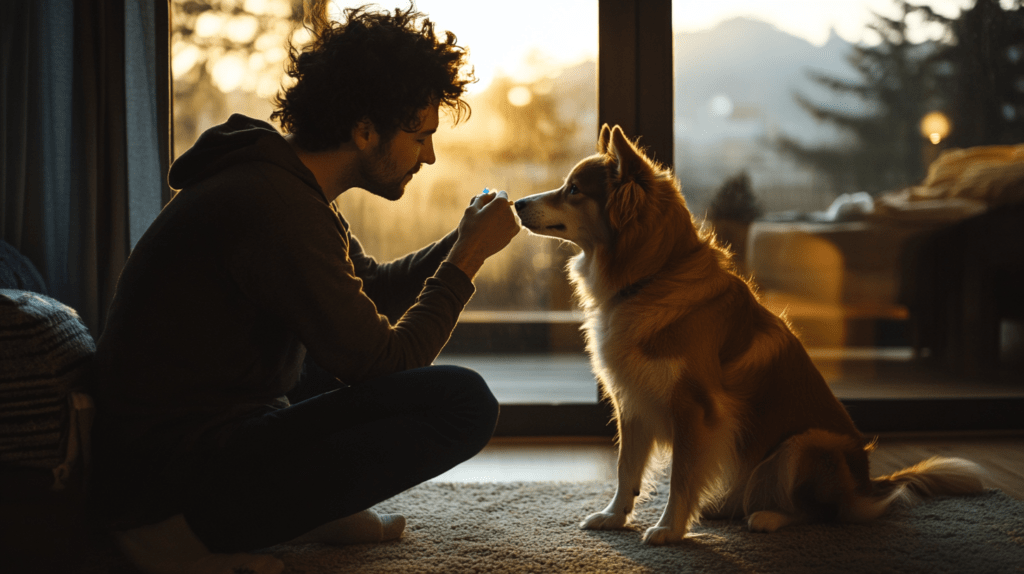
Administering eye drops to a dog who is uncomfortable or anxious can be challenging. Following these steps can make the process smoother and more effective:
- Prepare Your Dog
To keep your dog calm and still, gently restrain your dog. Sometimes, you’ll need a helper to hold your dog while you administer the drops. - Clean the Eye Area
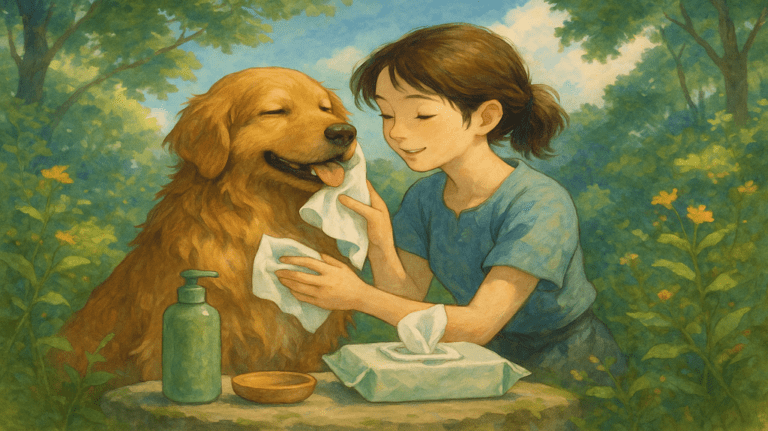
Wipe any discharge or debris about the eye with a soft damp cloth. This ensures the medication can be absorbed properly. - Position the Dropper
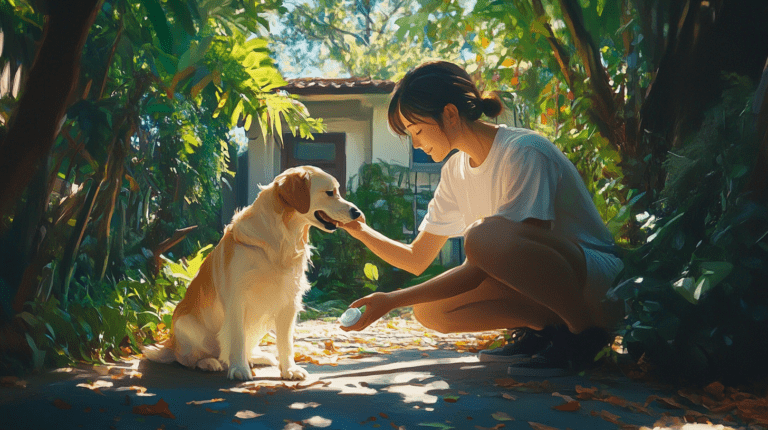
With one hand, hold the eye drop bottle and with the other, gently open your dog’s eyelid. Hold the dropper close to the eye without touching it or the lashes with the dropper. - Apply the Drops
Put the prescribed number of drops into the lower eyelid. Let your dog blink naturally to distribute the medication over the eye. - Reward Your Dog
Once you have dropped it in, make the whole process positive and less stressful for the future by giving it some praise and reward with a treat.
HydraPet Eye Drops: A Safe and Effective Solution for Pet Eye Care
Noveha’s HydraPet Eye Drops offer a gentle yet effective remedy for common pet eye conditions, including dry eye syndrome and corneal edema. Formulated with 2% sodium chloride to reduce corneal swelling and aloe vera to soothe irritation, these dog eye drops help restore your pet’s eye health while promoting natural tear production.
Manufactured in an ISO and GMP-certified facility, HydraPet ensures the highest safety standards, making it a trusted choice for pet owners. Ideal for addressing dry, irritated eyes, these eye drops provide natural relief and are suitable for routine care to maintain your pet’s comfort and eye health.
Eye Care Tips for Dogs
Proactive care can prevent eye problems in dogs. Here are some practical tips:
- Check Your Dog’s Eyes Regularly
Check your dog’s eyes once a week for redness, swelling, discharge, or any other abnormalities. The best treatment starts with early detection. - Keep Grooming Around the Eyes
Cut long hair around your dog’s eyes so it doesn’t irritate them and debris can’t get caught in it. - Protect Your Dog’s Eyes
When taking your dog for a car ride or outdoors, protect his eyes from wind and dust by putting on dog-friendly goggles or being careful to supervise. - Provide a Balanced Diet
Following an omega-3 fatty acid-rich diet can help with overall eye health and decrease inflammation.
When to Seek Veterinary Care
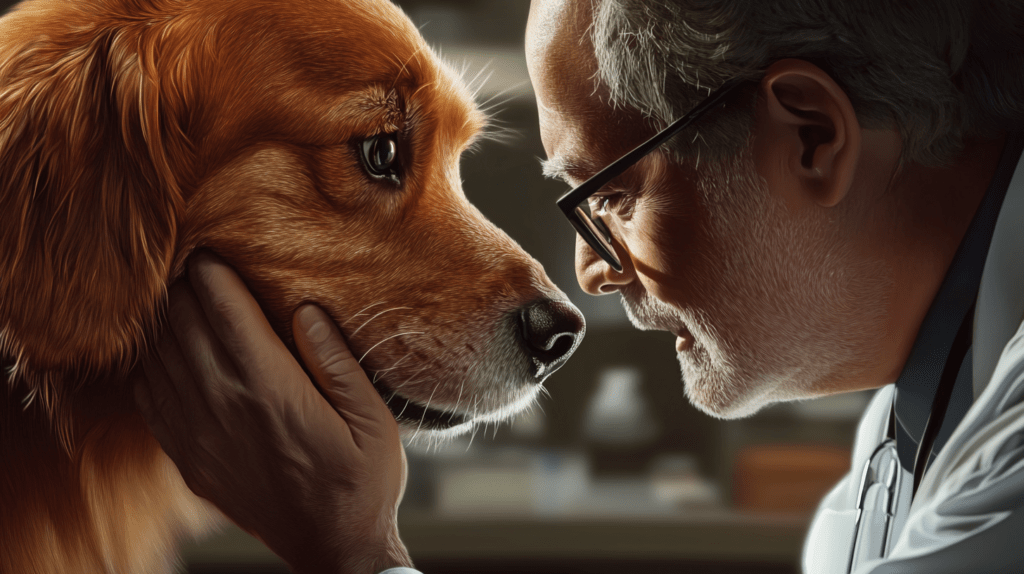
Some eye problems can be treated with over-the-counter or prescription eye drops, but others need immediate veterinary attention. Seek professional care if your dog experiences any of the following:
- Loss of vision or noticeable changes in eyesight that occur suddenly
- Severe swelling or bulging of the eyes
- Yellow or green discharge that lasts for a long time
- Visible wound or foreign object in the eye
- Symptoms that don’t get better or that keep coming back
Conclusion
It is important to know the signs that your dog may need eye drops to keep him healthy and comfortable. If you catch signs early, use proper treatments, and practice preventative care, you can protect your dog’s eyes from simple situations and complications. If in doubt, consulting a vet will ensure your furry friend is looked after as best as it can be.
FREQUENTLY ASKED QUESTIONS
What kind of eye drops can I use on my dog?
How do I know if my dog needs eye drops?
How do you put eye drops in a difficult dog?
Which dog breeds are most prone to eye problems?
Can I use human eye drops on my dog?
How can I prevent eye problems in my dog?
References:
Azari, A. A., & Barney, N. P. (2013). Conjunctivitis. JAMA, 310(16), 1721. https://doi.org/10.1001/jama.2013.280318
Chow, S., & Chan, J. C. (2021). Review on the use of topical ocular hypertonic saline in corneal edema. Cornea, 40(4), 533–539. https://doi.org/10.1097/ico.0000000000002652
Cronau, H., Kankanala, R. R., & Mauger, T. (2010, January 15). Diagnosis and management of red eye in primary care. AAFP. https://www.aafp.org/pubs/afp/issues/2010/0115/p137.html
New RVC research shows certain dog breeds are more prone to keratoconjunctivitis sicca. (2021, June 17). VetSurgeon. https://www.vetsurgeon.org/b/veterinary-news/posts/new-rvc-research-shows-certain-dog-breeds-are-more-prone-to-keratoconjunctivitis-sicca
Positive reinforcement training. (n.d.). The Humane Society of the United States. https://www.humanesociety.org/resources/positive-reinforcement-training