
What Is Hydrocortisone?
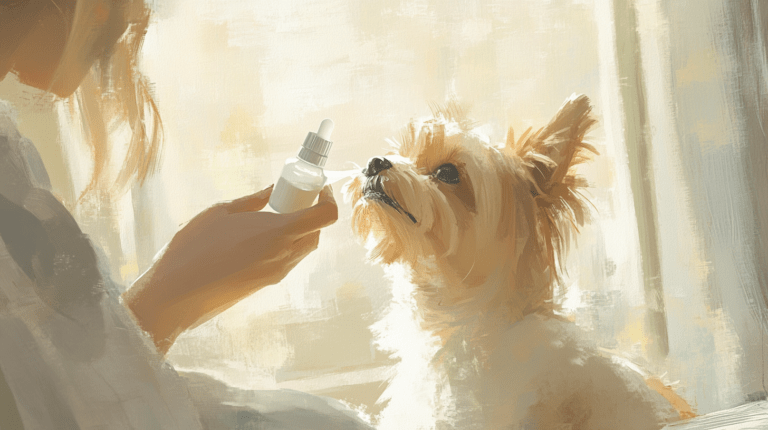
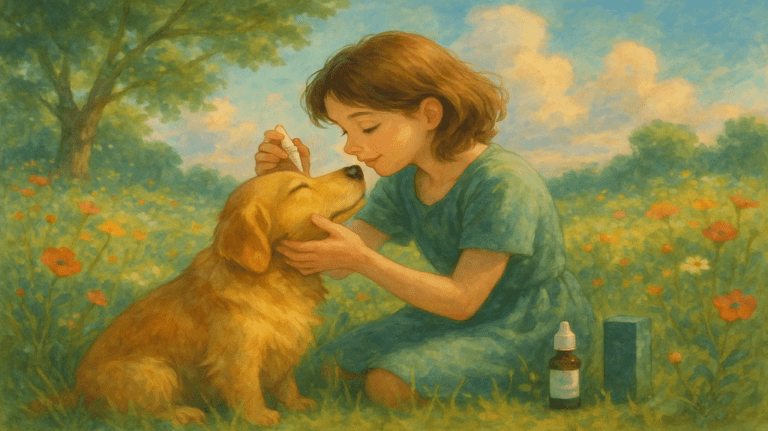
A corticosteroid, specifically a glucocorticoid hormone, hydrocortisone is produced naturally in dogs by the adrenal glands. Importantly, it helps to regulate inflammation and immune responses. Synthetic hydrocortisone is used in veterinary medicine to reduce inflammation, itching, and swelling of the skin in dogs associated with several skin conditions.
Hydrocortisone Is Used to Treat Common Skin Conditions
Hydrocortisone is commonly used to treat a variety of skin issues in dogs, including:
- Allergic Reactions: For example, from environmental allergens such as pollen, dust mites, or mold.
- Hot Spots (Acute Moist Dermatitis): Areas of painful, inflamed skin that may develop rapidly as a result of scratching or licking.
- Insect Bites and Stings: For the relief of itching and swelling due to flea, mosquito, or other insect bites.
- Contact Dermatitis: Irritation caused by contact with irritants such as certain plants or chemicals.
- Minor Skin Irritations: Redness, swelling, and minor rashes are included.
| Skin Problem | Symptoms | How Chlorhexidine Wipes Help |
| Hot Spots | Inflamed, painful, and moist areas caused by scratching or biting. | Cleans affected areas, reducing bacteria and soothing irritation. |
| Yeast Infections | Redness, odor, and itching in warm, moist areas like folds or ears. | Combats fungal growth and helps maintain dryness to prevent recurrence. |
| Skin Irritations | Redness or swelling caused by allergens or insect bites. | Removes irritants and soothes inflamed skin with calming additives. |
| Minor Cuts or Scrapes | Small injuries without open wounds. | Cleans surrounding areas to prevent bacterial infection while promoting healing. |
| Odor Control | Unpleasant smell from bacterial or fungal overgrowth. | Eliminates odor by reducing bacterial load and cleaning hard-to-reach areas. |
Hydrocortisone for Veterinary Use vs. Human Products

Comparison of Canine and Human Hydrocortisone Products
Hydrocortisone is available over the counter for human use, but products made for humans may not be safe for dogs. Key differences include:
- Concentration Levels: Human hydrocortisone creams are often more concentrated than needed for canine skin.
- Harmful Additives: Fragrances, alcohol, or other steroids can be toxic to dogs and may be contained in human products.
Human Hydrocortisone Creams Are Not Safe to Use on Dogs
Using human hydrocortisone creams on dogs can pose several risks:
- Toxic Ingredients: Allergic reactions or toxicity from additives not safe for dogs may result.
- Incorrect Dosing: If applied too much, it will be absorbed into the system, resulting in side effects.
- Delayed Healing: The condition may be worsened or underlying problems masked by inappropriate treatment.
Hydrocortisone for Dogs: How to Safely Apply It
Application Guide Step by Step
Step 1: Consult Your Veterinarian
Before applying hydrocortisone, it’s essential to consult your veterinarian to:
- Get an accurate diagnosis of the skin condition.
- Get recommendations about which hydrocortisone product and dosage is best for you.
Step 2: Prepare the Affected Area
- Clean the Area: Wash the affected skin gently with dog-safe cleanser or lukewarm water.
- Dry Thoroughly: Dry the area with a clean towel so that there will be proper absorption of the medication.
Step 3: Apply the Hydrocortisone
- Wear Gloves: To avoid contamination and to protect yourself from absorption.
- Apply a Thin Layer: Apply a small amount of the prescribed hydrocortisone cream or spray.
- Avoid Sensitive Areas: Do not get the medication in the eyes, mouth, or nose.
Step 4: How to Prevent Your Dog from Licking the Area
- Use an Elizabethan Collar (E-collar): Also called a cone, to prevent licking or chewing.

- Distraction Techniques: Distract your dog with a favourite toy or treat.
- Cover the Area: Use a vet-approved bandage or clothing over the site if appropriate.
Step 5: Monitor Your Dog
- Observe for Reactions: Look for signs of discomfort or adverse reactions.
- Ensure Protective Measures Stay in Place: Make certain that the E-collar and/or coverings stay on.
The Application Frequency and Duration Vary
- Follow Veterinarian’s Instructions: Take the medication as directed.
- Typical Duration: Depending on the condition, treatments may take a few days or a couple of weeks.
- Avoid Overuse: Side effects can occur, so you shouldn’t use it for longer than recommended.
Side Effects: What to Watch For
Common Side Effects
- Mild Skin Irritation: Redness or sensitivity at the place where the medicine is applied.
- Temporary Hair Thinning: Loss of hair in the treated area.
Signs of Adverse Reactions
- Excessive Itching or Discomfort: An indication of increased irritation.
- Allergic Reactions: Including hives, swelling, or difficulty breathing.
- Behavioral Changes: Drowsiness, agitation, or changes in appetite.

If Side Effects Occur: What to Do
- Discontinue Use: Stop using the hydrocortisone right away.
- Contact Your Veterinarian: Get it checked out as soon as possible.
- Do Not Self-Treat: Do not give other medications without veterinary guidance.
Precautions and Contraindications
When You Should Not Use Hydrocortisone on Your Dog
- Untreated Infections: Do not use on bacterial, fungal, or viral infections unless used with other treatment.
- Open Wounds: Do not apply to open sores or ulcerated skin.
- Known Allergies: When your dog has a history of steroid allergies.
Special Considerations
- Pregnant or Nursing Dogs: Use only under veterinary supervision; potential risks to puppies.
- Puppies: They may absorb medications easier through their skin, so consult a vet.
- Pre-existing Conditions: Dogs with diabetes or Cushing’s disease or other hormonal disorders.
Drug Interactions with Other Medications
- Inform Your Veterinarian: Give a complete list of drugs and supplements.
- Avoid Combining Topicals: Interactions may occur if you use more than one skin treatment at a time.
Skin Issues in Dogs: How to Avoid Them
Regular Grooming Practices
- Routine Bathing: Use hypoallergenic shampoos for dogs and dog grooming wipes.
- Brushing: It removes dead hair and distributes natural oils.
- Skin Checks: Inspect regularly for signs of irritation or parasites.

Environmental Management
- Allergen Reduction: Avoid known allergens as much as possible.
- Clean Living Spaces: Vacuum regularly and wash bedding.
- Flea and Tick Control: Use preventive products that have been vet-approved.
Regular Veterinary Check-ups
- Early Detection: Enables for quick treatment of occurring issues.
- Vaccinations and Parasite Control: Maintain overall health.
Conclusion
When used correctly under veterinary guidance, pet hydrocortisone spray is a treatment that can be safe and effective for treating many skin conditions in dogs. You need to use veterinary-approved products and use correct application techniques to prevent your dog from harm.
Preventing skin problems includes supportive care like grooming and environmental management. Always address your veterinarian for personalized advice and treatment options relative to the individual dog’s condition.
Frequently Asked Questions
Can I put hydrocortisone on my dog?
What does hydrocortisone treat in dogs?
How long does hydrocortisone take to work on dogs?
What happens if my dog licks hydrocortisone cream?
What are the side effects of hydrocortisone in dogs?
Can hydrocortisone be used on puppies?
References:
Cushing syndrome – Symptoms and causes. (n.d.). Mayo Clinic. https://www.mayoclinic.org/diseases-conditions/cushing-syndrome/symptoms-causes/syc-20351310
Hot spots in dogs | VCA Animal hospitals. (n.d.). Vca. https://vcahospitals.com/know-your-pet/hot-spots-in-dogs
Prednisone and other corticosteroids: Balance the risks and benefits. (n.d.). Mayo Clinic. https://www.mayoclinic.org/steroids/art-20045692
Staff, A. (2024, March 14). Types of dog allergies and how to treat them. American Kennel Club. https://www.akc.org/expert-advice/health/dog-allergies-symptoms-treatment/