

Understanding Canine Cataracts
Cataracts in dogs occur when the normally clear lens of the eye becomes cloudy, disrupting normal vision and potentially leading to blindness. Although various factors can trigger cataract formation, age-related changes and underlying health conditions like diabetes are common causes.
What Causes Dog Cataracts?

- Age and genetics: Many dogs develop cataracts as they age, and certain breeds are more prone to this condition.
- Medical conditions: Diabetes is a frequent contributor; high blood sugar can alter lens metabolism.
- Trauma or inflammation: Eye injuries or chronic inflammatory processes may speed up cataract development.
Can Cataracts in Dogs Be Cured Without Surgery?
Surgery remains the primary method to remove cataracts and restore vision, but many pet owners explore nonsurgical approaches for cost, health, or personal reasons. While no treatment currently rivals surgery’s effectiveness, certain strategies may slow progression or help manage symptoms.
Key Considerations for Nonsurgical Approaches
- Early intervention: Most nonsurgical methods work best in the initial stages of cataract formation.
- Underlying health: Managing contributing conditions (like diabetes) can reduce cataract risk and progression.
- Realistic expectations: Nonsurgical treatments may offer supportive care but rarely reverse established cataracts.
How Can I Treat My Dog’s Cataracts at Home?
Many home-based options focus on improving overall eye health and delaying cataract progression. These approaches often use natural supplements and daily supportive care, aiming to nourish the lens and protect it from further clouding.
Popular At-Home Support Methods
- Nutritional supplements: Antioxidants such as vitamins A, C, E, and coenzyme Q10 may support lens health.
- Healthy diet: High-quality proteins, low-glycemic carbohydrates, and balanced vitamins/minerals can maintain stable blood sugar levels.
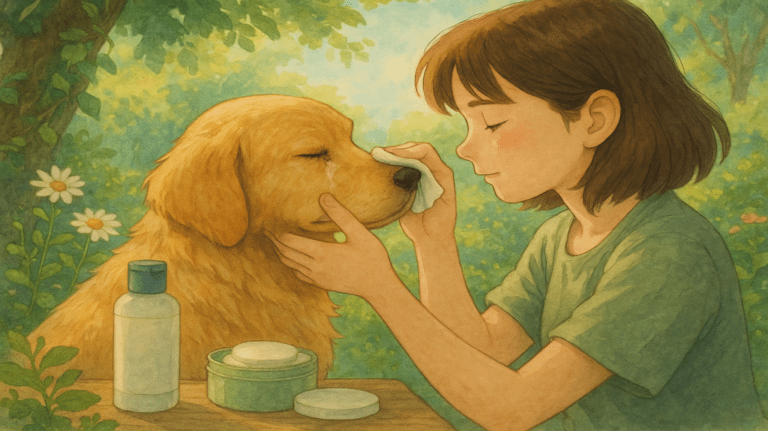
- Proper eye hygiene: Gently wiping away discharge and keeping the eye area clean can help minimize irritation.
Can Eye Drops Dissolve Cataracts in Dogs?
Several eye drop formulations—particularly those containing compounds related to lanosterol—are marketed for cataract dissolution, but scientific validation remains limited. Current research suggests they may slow or slightly improve clarity in certain cases, yet definitive evidence is still under review.
What to Know About Cataract Eye Drops
- Unproven dissolution claims: While some studies are encouraging, none confirm complete cataract removal.
- Consistent application: Eye drops require routine, long-term use to be potentially effective.
- Veterinary guidance: A professional exam helps determine if eye drops are appropriate or if a different intervention is needed.
How Do You Stop Cataracts from Getting Worse in Dogs?
Preventing or slowing progression involves a mix of medical oversight and lifestyle adjustments. Combined with timely veterinary checkups, these measures can help your dog maintain better vision for as long as possible.
Strategies to Slow Cataract Progression
- Regular vet exams: Monitoring the lens and overall eye health can catch changes early.
- Blood sugar control: If a dog is diabetic, stable glucose levels are essential to reduce cataract complications.
- UV protection: Limiting prolonged sun exposure and using dog-safe eye protection can help protect lens clarity.
- Anti-inflammatory measures: Address chronic eye inflammation or infections promptly to reduce stress on the lens.
Can Dogs Live OK with Cataracts?

Many dogs adapt surprisingly well to partial vision loss. They often rely on their keen senses of smell and hearing to navigate familiar spaces. However, advanced cataracts may still reduce a dog’s quality of life, especially if they lead to complications such as painful inflammation.
Helping Your Dog Cope with Vision Loss
- Consistent environment: Avoid rearranging furniture or changing daily routines abruptly.
- Safe spaces: Keep pathways clear of clutter and block off stairwells until your dog adjusts.
- Positive reinforcement: Guide your dog verbally and reward them for calm navigation around the home.
Natural Supplements and Antioxidants
A growing number of dog owners turn to natural remedies, hoping to manage lens cloudiness without surgery. While beneficial antioxidants can promote overall health, their direct effects on cataracts vary from dog to dog.
| Supplement | Potential Eye Benefit | Additional Consideration |
|---|---|---|
| Vitamin C | May support lens health by reducing oxidative stress | Best when used under vet guidance for dosage |
| Vitamin A | Helps maintain healthy epithelial tissues around the eye | Over-supplementation can be harmful |
| Vitamin E | Known antioxidant that may minimize age-related tissue damage | Often combined with other supportive measures |
| Coenzyme Q10 (CoQ10) | Could help stabilize lens proteins and slow clouding | Works best as part of a wider eye care routine |
| Herbal Blends (e.g. Bilberry) | Sometimes included for general ocular wellness | Efficacy varies; consult a vet for safe usage |
Commonly Used Supplements
- Vitamin C: Believed to support lens integrity and reduce oxidative stress.
- Vitamin A: Often cited for maintaining healthy epithelial tissue in the eye.
- Vitamin E: A potent antioxidant that may minimize age-related tissue damage.
- Coenzyme Q10 (CoQ10): May help stabilize lens proteins and possibly slow further clouding.
Overlooked Areas in Nonsurgical Management

Some owners focus heavily on a single remedy, missing other factors that can bolster eye health. A more holistic approach considers diet, environment, and frequent veterinary checkups alongside targeted supplements or eye drops.
Holistic Tips for Improved Eye Health
- Balanced meals: Nutrient-rich diets help manage weight, reduce diabetes risk, and support the lens.
- Physical activity: Gentle exercise maintains circulation and overall well-being.
- Eye-friendly environment: Minimize exposure to irritants like smoke or harsh chemicals.
- Veterinary collaboration: Consistent checkups allow for early detection of complications.
What Happens if Cataracts Are Not Removed?
Untreated cataracts can progress to complete opacity, resulting in blindness and potential secondary issues like lens-induced inflammation (uveitis) or even glaucoma. Inflammation can cause pain, and irreversible eye damage is possible if left unaddressed.
Potential Risks of Ignoring Cataracts
- Complete vision loss: Thickened or mature cataracts block all light, rendering a dog functionally blind.
- Painful complications: Secondary issues, including high pressure inside the eye, can threaten comfort and eye health.
- Chronic infection risk: Debris buildup or chronic inflammation may encourage eye infections.
When to Consider Surgery or Further Intervention
While nonsurgical methods offer supportive benefits, some dogs may require surgery for lasting relief. A veterinary ophthalmologist can determine whether an operation is advisable, especially if the cataract is advanced or causing discomfort.
| Approach | Primary Focus | Advantages | Possible Drawbacks |
|---|---|---|---|
| Surgical Method | Physically removing the cloudy lens | Offers quick and often complete vision restoration | Higher cost and requires anesthesia |
| Non-Surgical Care | Using eye drops, supplements, and routine checks | May slow progression and support general eye health | Results can be limited; may not reverse established cataracts |
Planning for the Future
- Comprehensive eye exam: Professionals use specialized equipment to assess cataract type and severity.
- Cost considerations: Surgical treatment can be expensive, but in many cases, it fully restores vision.
- Postoperative care: Dogs typically recover quickly with proper at-home care and follow-up vet appointments.
In the end, looking into dog cataracts treatment without surgery involves balancing realistic expectations with the best interests of your pet. While certain home remedies and eye drop formulations show promise in delaying progression, they are unlikely to eliminate established cataracts. By combining nutritional supplements, eye drop therapies, lifestyle modifications, and regular veterinary oversight, it’s possible to support your dog’s vision health and overall quality of life—even if surgery is not an immediate option.
Frequently Asked Questions
Are there any over-the-counter eye drops that can replace cataract surgery?
Over-the-counter eye drops can help soothe irritation and may offer limited supportive benefits, but they are unlikely to fully reverse existing cataracts. Most dogs still require surgical intervention or ongoing veterinary care for significant improvement in vision.
How quickly can cataracts progress if left untreated?
Cataracts can develop at different speeds depending on factors like the dog’s overall health and genetics, sometimes worsening in weeks or months. Regular veterinary checkups can help track changes and prevent complications such as inflammation or glaucoma.
Will vitamins alone cure my dog’s cataracts?
Vitamins and antioxidants can bolster your dog’s eye health, but they rarely eliminate cataracts on their own. When combined with proper veterinary guidance, however, supplements may slow lens clouding and support overall wellness.
Do dogs experience discomfort or pain due to cataracts?
While mild cataracts typically cause blurred vision rather than direct pain, complications like lens-induced inflammation can become painful. Watching for signs of discomfort—such as eye rubbing or excessive tearing—helps ensure timely treatment if inflammation develops.
What if my dog is diabetic and has cataracts?
Diabetic dogs have a higher risk of fast-progressing cataracts, so managing blood sugar levels is crucial. Working closely with your vet to control diabetes, along with cataract-specific care, often yields better outcomes.
How can I support a dog with declining vision at home?
Simple adjustments—like keeping furniture in the same place, using textured rugs, and providing clear pathways—help dogs navigate more confidently. Offering consistent routines and gentle guidance lets dogs remain active and comfortable even with limited sight.


3 responses to “Exploring Non-Surgical Cataract Treatments for Dogs”
Hello i am kavin, its my first occasion to commenting anywhere,
when i read this paragraph i thought i could also create comment due to this good post.
This article will assist the internet people for creating new webpage or even a
blog from start to end.
I am in fact grateful to the owner of this site who has shared this impressive piece of
writing at here.