
Understanding the Basics of Dog Styes
A dog stye is a painful, swollen bump on your pet’s eyelid that often appears red and inflamed. While many styes resolve on their own, knowing how to recognize them and provide proper home care is essential to help your dog recover comfortably.
A stye typically develops when an oil gland or hair follicle along the eyelid margin becomes blocked and infected. Dogs of any age can develop styes, although older dogs and certain breeds prone to eye irritations may be at a slightly higher risk. The good news is that mild styes can sometimes be managed at home with simple methods, provided you follow best practices and keep a close watch for any worsening symptoms.
How to Identify a Stye vs. Other Eye Issues

It’s important to differentiate a genuine stye from other eye conditions, such as chalazia, eyelid tumors, or bacterial infections that require more specialized care.
A stye usually appears as a small, pimple-like bump on the outer or inner edge of the eyelid, accompanied by redness, swelling, and occasional discharge.
| Condition | Distinctive Sign | When to Seek Vet Assistance |
|---|---|---|
| Stye | Small, pimple-like bump on the eyelid margin | If it grows larger, appears very painful, or lingers too long |
| Chalazion | Firm lump inside the eyelid, often less painful | If it begins to block vision or causes persistent discomfort |
| Eyelid Infection | General redness and swelling across the entire lid | If redness spreads or eye discharge becomes more pronounced |
| Eyelid Tumor | Noticeably firm or irregular growth on the eyelid | If size increases rapidly, bleeds, or significantly impairs sight |
Recognizing these features early can help you intervene promptly and avoid complications.
Signs That Suggest a Stye
- A raised, inflamed bump on the eyelid margin
- Redness or pinkish coloration around the eyelid
- Increased blinking or squinting
- Possible discharge or crustiness in the corner of the eye
- Frequent pawing or rubbing at the eye
If the eyelid’s swelling persists or you notice excessive pain, cloudiness in the eye, or other changes in vision, consult a veterinarian. Some conditions, like eye ulcers and serious infections, can mimic styes but have more serious implications.
How Long Does a Dog Stye Last?

A typical dog stye may last anywhere from a few days to a couple of weeks before it fully heals.
Many styes improve with proper home care, but persistent styes, or those that seem to worsen, may need veterinary attention for additional treatment.
The healing timeline varies based on the severity of the infection and your dog’s overall health. Mild styes can clear up relatively quickly, especially if you follow good hygiene practices and supportive treatments. If a stye lingers beyond two weeks or appears to grow larger or more painful, it’s wise to seek professional help to rule out more serious issues like eyelid tumors or severe bacterial infections.
What Is the Quickest Home Remedy for a Dog Stye?
Using a warm compress a few times a day can significantly reduce swelling and speed up recovery.
A compress increases blood circulation around the stye and facilitates natural drainage, often providing noticeable relief within days.
Warm Compress & Gentle Massage
Applying a warm compress is one of the most effective at-home methods for styes in dogs. Here’s how:
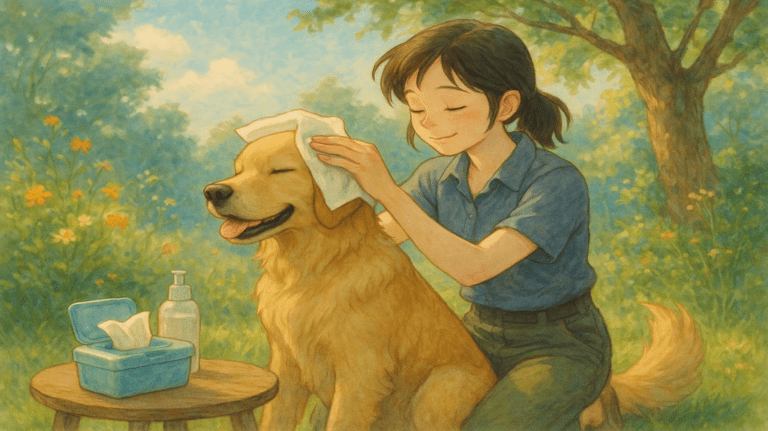
- Soak a clean cloth or cotton pad in warm (not scalding) water.
- Gently wring out excess water and hold the compress against the affected eye for about one minute.
- Repeat 2–3 times a day.
- If your dog tolerates it, gently massage the eyelid in a circular motion to promote drainage.
Avoid using hot water or applying too much pressure, as the eyelid area can be very sensitive. If your dog shows signs of discomfort, reduce the warmth or stop.
Safe and Soothing Eye Solutions
Some pet owners explore home remedies like sterile saline rinses to keep the eye clean. A few important considerations:
- Use only vet-approved saline solutions or gentle eyewash products formulated for animals.
- Never use homemade saline rinses unless specifically guided by a veterinarian.
- Watch for any signs of redness or irritation; discontinue use if symptoms worsen.
How to Treat a Dog’s Stye at Home Without Going to the Vet
Basic at-home care for mild styes involves cleanliness, warmth, and monitoring for improvement.
By focusing on daily hygiene and gentle supportive methods, many dogs can find relief without requiring immediate veterinary intervention.
| Action | Implementation Tip | Reason to Avoid Overdoing It |
|---|---|---|
| Apply Warm Compress | Use a soft cloth dipped in mild warm water | Excessive heat can irritate the eyelid and delay recovery |
| Gently Clean Area | Use pet-safe wipes or a damp, lint-free cloth | Scrubbing too hard could worsen irritation around the stye |
| Provide Calm Space | Keep the home environment quiet and well-ventilated | Overexcitement may lead to pawing or scratching at the infection |
| Watch for Changes | Check for swelling or discharge at least once a day | Missing significant changes could lead to complications |
Daily Hygiene Routine
- Keep the area around your dog’s eye clean and free of crusts or discharge.
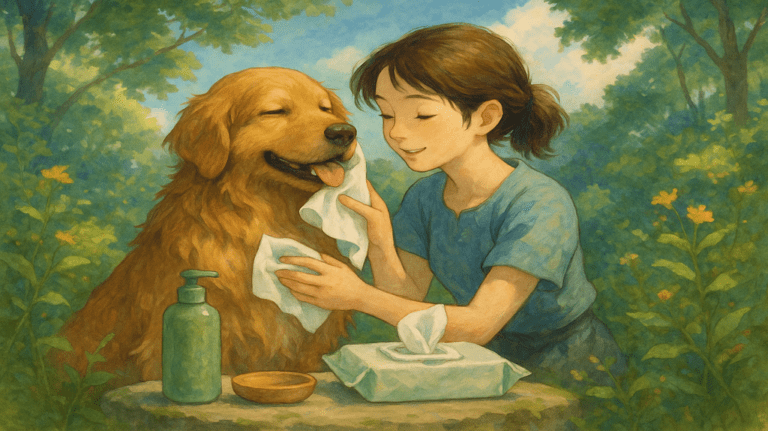
- Use a soft, damp cloth to gently wipe away debris.
- Monitor both eyes for any new or spreading signs of infection.
Protective Measures
- Discourage your dog from pawing or scratching the stye. If necessary, use an Elizabethan collar (E-collar) temporarily to prevent excessive rubbing.
- Trim any overgrown fur around the eyes to reduce irritation from stray hairs or trapped debris.
- Observe your dog’s behavior closely; reluctance to open the eye or persistent tearing may signal the need for professional care.
When to Seek Professional Help
- The stye shows no improvement or worsens after a week or two of consistent home care.
- Your dog appears to be in significant pain, or the eyelid swelling is severe.
- Any changes to the eye’s color or surface appear, such as cloudiness or ulcers.
Timely veterinary care can help prevent complications like deeper infections or permanent damage to the eyelid.
How Do You Get Rid of a Stye on a Dog Safely?
Gentle management is key to resolving a stye without causing further irritation or trauma to the eye.
Refrain from squeezing or “popping” the stye, as this can worsen the infection and hurt your dog.
Most mild styes respond well to:
- Warm compresses
- Careful cleaning of eye discharge
- Vet-approved eye ointments or drops if prescribed
If these methods fail, a veterinarian may drain the stye in a controlled manner under sedation, minimizing discomfort and the risk of reinfection.
Can I Use Human Stye Drops on My Dog?
It is not advisable to use human stye drops on your dog without explicit veterinary guidance.
Human eye medications may contain ingredients that are irritating or unsafe for dogs, potentially harming the eye instead of helping it.
If your vet recommends antibiotic or anti-inflammatory drops, they will prescribe products specifically formulated for pets to ensure safety and effectiveness. Always follow dosage and application instructions precisely, as overuse of medicated drops can lead to side effects.
Overlooked Areas in Dog Stye Care
Some common oversights can delay a dog’s recovery or even exacerbate the problem. Proper attention to these details can help your pet heal faster and more comfortably.
Nutritional Support
A balanced diet supports overall immune health, which can help your dog ward off eye infections. Nutrients like vitamin A, omega-3 fatty acids, and antioxidants may aid in healthy skin, coat, and eye tissue. High-quality dog food and occasional vet-approved supplements make a difference in maintaining strong defenses against infections.
Stress Management
Excessive stress can weaken your dog’s immune response, making infections more difficult to fight off. Ensure your dog has a calm environment, sufficient exercise, and mental stimulation. Simple measures like routine walks, play sessions, and a comfortable sleeping area can lower stress levels and support quicker healing.
Regular Grooming
Frequent buildup of dirt, debris, and bacteria around the eye area can set the stage for styes and other infections. Consistent grooming—especially around the face—reduces your dog’s risk. This step is especially important for breeds with facial folds or long hair that may trap moisture and microorganisms.
Styes might seem minor at first, but consistent observation and quick interventions can make a significant difference in your dog’s comfort and long-term eye health. By combining basic home treatments with routine hygiene and proper nutrition, you give your pet the best chance of a swift and uncomplicated recovery. If your dog’s stye persists or you notice anything unusual, don’t hesitate to contact a veterinarian for a thorough evaluation and additional treatment options.