
Understanding Dry Eyes and Excessive Tearing in Dogs
Dry eye, known medically as keratoconjunctivitis sicca (KCS), and excessive tearing can both signal underlying eye problems in dogs. Artificial tears can provide temporary relief by lubricating the eye’s surface, but it’s important to recognize these symptoms as potential indicators of a deeper issue.
Many dogs develop chronic eye discomfort due to poor tear production, infections, or breed predispositions. Eye discharge or redness can also be a response to environmental irritants. In all cases, a veterinary assessment helps confirm the cause and determine whether artificial tears alone are enough or if prescription medication is needed.
What Can I Give My Dog for Tearing Eyes?
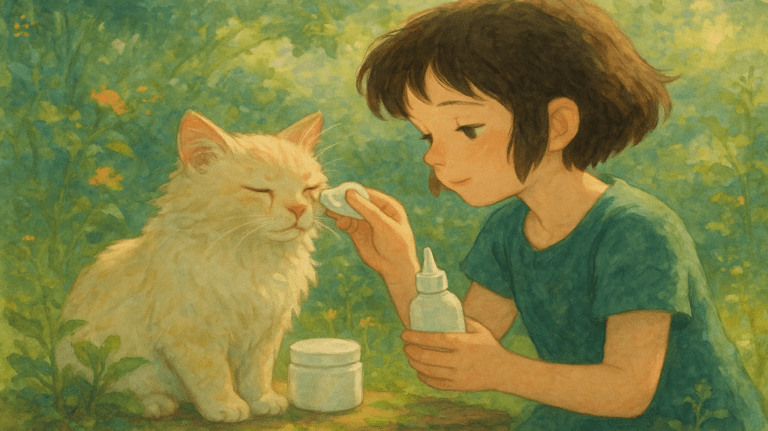
Mild tearing in dogs may be eased by specially formulated canine-safe eye lubricants or cleaning solutions that help clear debris. Before using any product, consult a veterinarian to ensure that tearing is not caused by infection or injury.
Some dogs experience allergic reactions or irritations that increase tear production. While using an over-the-counter (OTC) product sounds convenient, improper remedies can worsen the problem. If you notice constant watery eyes, swelling, or ongoing discharge, your vet can recommend a suitable tear lubricant or advise on other treatments.
Tips for Mild Tearing
- Use a gentle, vet-approved eye wash to rinse away irritants.
- Regularly wipe around your dog’s eyes with a clean, damp cloth to remove crust or discharge.
- Keep hair around the eyes trimmed and clean to minimize irritation.
What Can I Use for My Dog’s Dry Eyes?
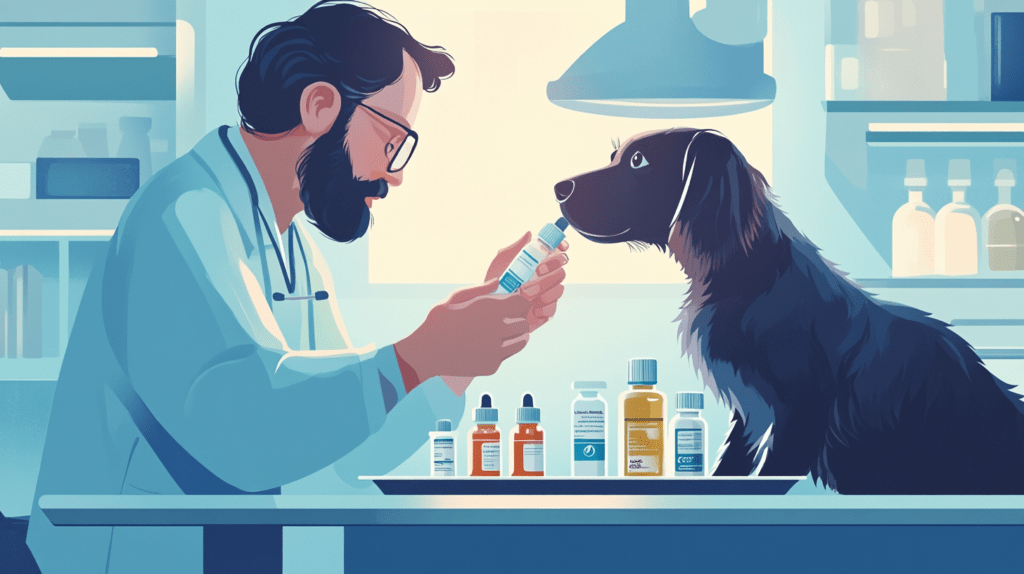
OTC artificial tear drops or ointments are often used to alleviate the dryness and discomfort associated with reduced tear production. These lubricants mimic natural tears and can provide short-term relief.
Dogs with chronic dry eye, especially those with KCS, often need prescription-strength medication in addition to artificial tears. Relying on lubricants alone may not address the underlying cause. Timely veterinary intervention is crucial to help your dog avoid corneal damage and possible vision issues.
Identifying KCS Symptoms
- Thick, gooey discharge around the eyes
- Red or inflamed conjunctiva (the “whites” of the eyes)
- Frequent squinting or pawing at the eyes
- Crustiness or film on the eye surface
Can I Put Eye Solution in My Dog’s Eye?
Properly formulated eye solutions labeled for canine use can be safe, but not all human eye drops are appropriate for dogs. Some ingredients can irritate your pet’s eyes or mask symptoms of a more serious condition.
Veterinarians generally approve certain preservative-free solutions or lubricating drops, but you should get professional guidance first. If your dog has severe redness, rubbing, or a sudden change in eye appearance, do not administer any eye drops until you’ve consulted a vet.
Safe Use Guidelines
- Look for “lubricating” or “artificial tears” explicitly safe for pets.
- Avoid products with added medications like redness reducers unless prescribed.
- Never touch the dropper tip to your dog’s eye or surrounding fur to prevent contamination.
What Artificial Tears Are Safe for Dogs?
Artificial tears containing basic lubricants without additional active drugs or harsh preservatives are generally safe for dogs. Opt for preservative-free single-use vials if your dog needs frequent applications or has sensitive eyes.
| Type | Potential Benefit | Important Consideration |
|---|---|---|
| Preservative-Free Eye Drops | Gentler on sensitive eyes, reducing the chance of irritation | May need more frequent application due to less chemical stabilization |
| Standard Artificial Tear Drops | Easier to find over the counter and convenient to use | Some contain mild preservatives that could cause discomfort for certain dogs |
| Thick Eye Ointments | Longer-lasting coating for dogs with consistent dryness | Can blur vision briefly, so best applied when the dog is calm |
| Vet-Formulated Pet Lubricants | Specially designed for canine eye anatomy | Often requires a recommendation from a veterinarian |
Veterinarians often recommend well-known lubricant brands designed for human use when used under the right guidance. Remember that dog-specific formulations or single-dose containers can be gentler on delicate canine eyes, especially when frequent dosing is required.
Choosing an Appropriate Product
- Check the ingredient list for pet-safe lubricants (e.g., carboxymethylcellulose or similar).
- Consult your veterinarian if you need a thicker ointment rather than standard drops.
- Store drops and ointments at room temperature, away from direct sunlight.
Proper Application and Tips
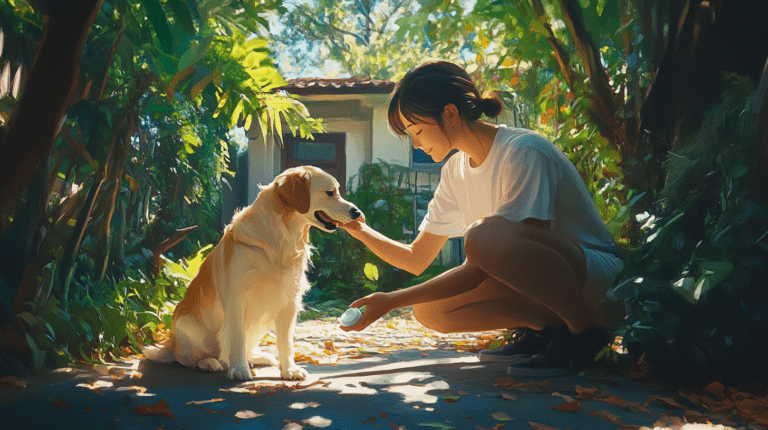
Applying artificial tears to a dog’s eye involves a calm approach, clean hands, and the correct technique so you don’t hurt the eye or contaminate the dropper. Consistency in application schedules is also key to maximum relief.
| Step | Action | Additional Insight |
|---|---|---|
| Gentle Preparation | Begin by gathering the necessary eye product and a soft, clean cloth | Ensures all materials are ready, reducing stress on the dog |
| Clean Technique | Wash hands thoroughly and avoid touching the dropper tip | Minimizes contamination risk and promotes a healthier eye environment |
| Calm Positioning | Gently guide your dog to sit or lie in a comfortable spot | Helps maintain a relaxed demeanor for easier application |
| Careful Dispensing | Create a small pocket by pulling down the lower eyelid and apply the product without touching the eye | Improves distribution of the lubricant while preventing irritation |
| Post-Application Check | Allow adequate time for the solution to settle, then observe for any signs of ongoing dryness or discharge | Offers a moment to monitor effectiveness and address potential issues |
Gently roll down your dog’s lower eyelid, apply the recommended number of drops or a thin ribbon of ointment, then let your dog blink to distribute it. If other medications are prescribed, wait at least five minutes before applying them to avoid washing away or diluting each treatment.
Step-by-Step Administration

- Wash your hands thoroughly before handling eye products.
- Have your dog sit or lie in a comfortable position.
- Gently pull down the lower eyelid to create a small pocket.
- Instill the drops or ointment without touching the eye surface.
- Release the eyelid, allowing the dog to blink.
- If treating both eyes, repeat on the other side.
- Wash your hands afterward to avoid cross-contamination.
Potential Side Effects and Overlooked Areas
Artificial tears are usually well-tolerated by dogs, but side effects like redness or mild discharge can occasionally occur. Frequent rechecks with a vet are critical to ensure the treatment is effective and to rule out allergic reactions.
Many owners overlook the possibility of additional underlying conditions such as infections, corneal ulcers, or glaucoma that can present with similar symptoms to dry eye. Regular veterinary checkups help detect these issues and prevent potential complications.
Signs of Possible Allergic Reaction
- Swelling around the eyelids
- Hives or redness on the skin near the eyes
- Increased tearing or discomfort after applying drops
Maintaining Healthy Eyes
Simple habits can preserve your dog’s eye health and minimize the need for constant artificial tear use. Regular grooming, eye inspections, and quick action at the first sign of unusual discharge can prevent minor issues from escalating into major problems.
Dogs with breed tendencies toward eye conditions (like Bulldogs, Cocker Spaniels, and Shih Tzus) benefit greatly from proactive measures. Keeping your dog’s eyes clean and lubricated, along with scheduling routine vet visits, helps you catch changes early and protect their vision for years to come.
A consistent eye-care routine combined with guidance from a trusted veterinarian makes all the difference. Artificial tears offer relief, but understanding when, how, and why to use them is essential for safeguarding your dog’s eye health.