Healthy vision is vital to a dog’s happiness and well-being, yet many pet parents don’t realize there are targeted ways to help protect and support canine eyesight. Whether you’re concerned about age-related changes, breed predispositions, or simply want to maintain everyday ocular health, the right eye supplements for dogs can make a meaningful difference. Below, you’ll find the essential facts, nutrients to look for, common oversights, and practical steps that will help keep your dog’s eyes in top shape now and into the future.
Do Eye Supplements for Dogs Work?

Eye supplements for dogs can be highly beneficial when they include proven nutrients that nourish ocular tissues and combat oxidative stress.
Many formulas contain antioxidants, vitamins, and minerals that target free radicals in the eyes and help protect against common issues like cataracts, dryness, and age-related vision decline. While results vary by dog and condition, countless pet owners report improvements in tear production, reduced irritation, and slowed progression of minor vision problems. However, supplements are most effective when used alongside regular vet checkups, proper grooming, and a balanced diet.
Why Supplements Are Growing in Popularity
Dogs rely on good eyesight to explore, play, and interact. As the population of senior pets grows, so do concerns about cataracts, glaucoma, and other degenerative conditions. Eye supplements bridge typical nutrient gaps in commercial diets, focusing on specific compounds known to fortify ocular tissues. Today’s formulas often include advanced antioxidants and plant-based extracts that weren’t always available a decade ago, making supplementation an appealing option for modern pet parents.
Which Supplement Is Best for Eye Vision in Dogs?

A comprehensive eye supplement for dogs should supply a spectrum of antioxidants and vitamins to help maintain healthy vision over time.
| Supplement Form | Pros | Cons | Best For Dogs Who… |
|---|---|---|---|
| Chewable Treats | Tasty, can double as rewards | May have flavor additives not suited for all dogs | Enjoy the treat-like format |
| Tablets or Capsules | Easy to measure dosage, typically no added flavors | Some dogs reject pills or need extra coaxing | Tolerate swallowing pills or using pill pockets |
| Liquid Drops | Potential for quick absorption, easy to blend into food | May be messy if the dog fidgets, possible spillage | Accept top dressing on meals or water |
| Powder Mix-Ins | Simple to sprinkle over regular meals | Might deter picky eaters if texture changes the food | Eat standard kibble or wet food happily |
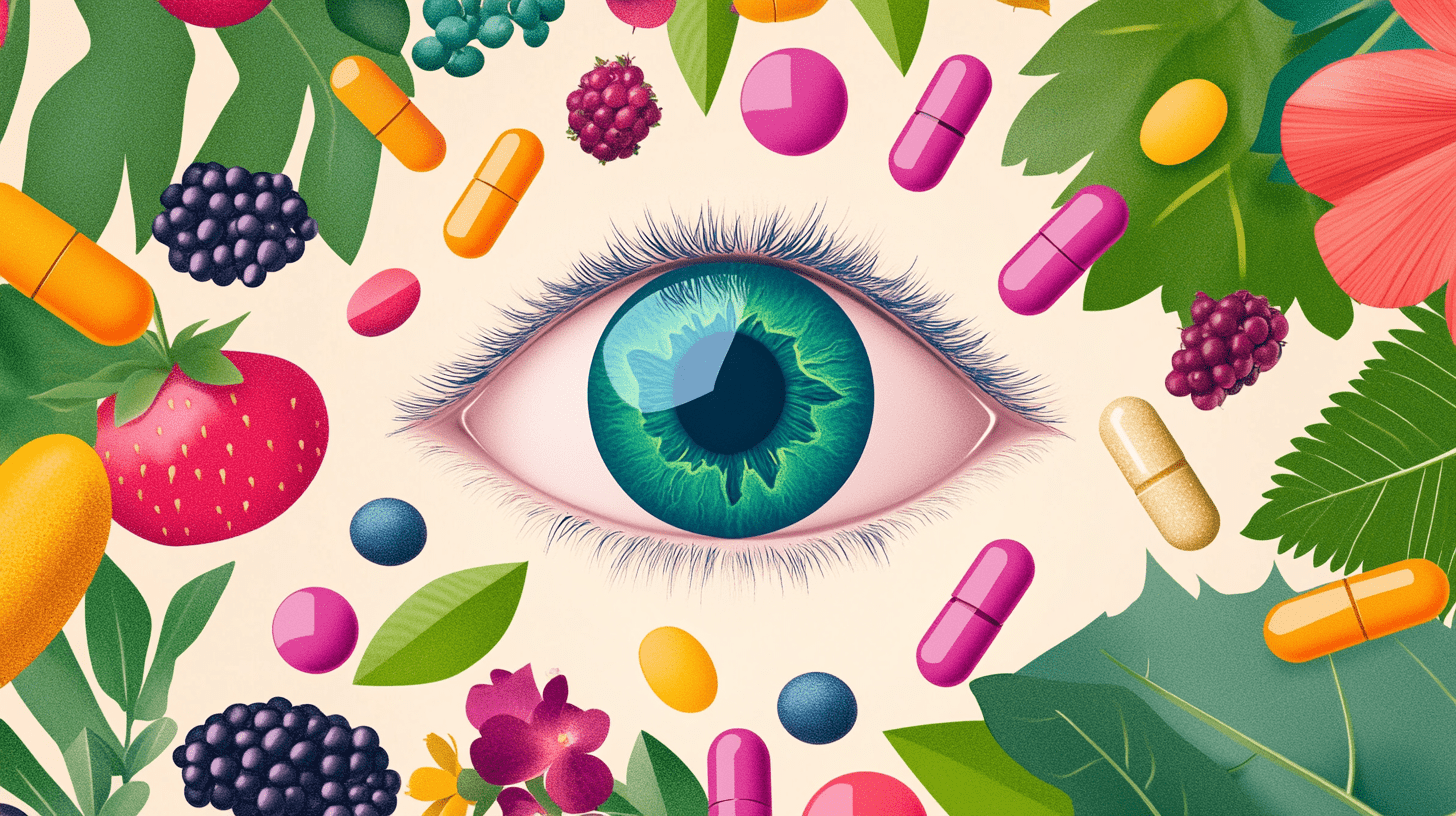
While there isn’t one single “magic pill” that solves every eye concern, look for multi-ingredient formulas featuring nutrients like lutein, zeaxanthin, omega-3s, vitamin C, vitamin E, astaxanthin, and zinc. These work in tandem to strengthen various structures within the eye, including the retina, lens, and cornea. In many cases, a broad-spectrum product is more effective than relying on just one or two nutrients, as different antioxidants target different pathways of oxidative stress.
Areas to Focus On
- Breed-Specific Needs: Flat-faced (brachycephalic) breeds can experience extra eye exposure due to shallow eye sockets. Supplements combined with good hygiene—like trimming hair around the eyes—may help reduce irritation.
- Environment & Lighting: Pets who spend time outside in bright sunlight or under harsh indoor lighting may benefit from antioxidants that help filter damaging rays.
- Age-Related Changes: Vision can decline gradually, so consider starting supplements early—around middle age—rather than waiting for advanced cataracts or other concerns.
Key Nutrients to Look For in Eye Supplements
Nutrients that counteract free radical damage and enhance ocular tissue integrity play a central role in the best eye supplements for dogs.
| Nutrient | Additional Benefit | Common Natural Sources | Helpful Pairings |
|---|---|---|---|
| Lutein | May help filter excess light and support clarity | Leafy greens, certain flowers | Combine with healthy fats |
| Zeaxanthin | Often aids visual focus in challenging lighting | Marigolds, yellow vegetables | Pair with antioxidants like lutein |
| Vitamin A | May enhance low-light vision capabilities | Organ meats, egg yolks | Support with zinc for better uptake |
| Vitamin E | Contributes to membrane stability around the retina | Seeds, leafy plants | Use alongside vitamin C for synergy |
| Zinc | Often assists nutrient transport to ocular tissues | Meats, pumpkin seeds | Integrate with vitamin A for best results |
A high-quality formula typically includes some combination of the following:
- Lutein & Zeaxanthin
These carotenoids are concentrated in the retina, where they act like internal sunglasses by filtering out harmful light and protecting visual cells. - Astaxanthin
Nicknamed the “king of carotenoids,” astaxanthin boasts robust free radical-scavenging abilities. It’s particularly noted for supporting the eye’s delicate structures under oxidative stress. - Vitamins A, C & E
- Vitamin A supports the retina’s light-processing capabilities.
- Vitamin C helps maintain the lens and may reduce the risk of age-related eye cloudiness.
- Vitamin E defends against oxidation of fatty acids in eye membranes.
- Zinc
Essential for transporting vitamin A to the retina, zinc also helps stabilize cell membranes in the eye and may support tear production. - Omega-3 Fatty Acids
Found in fish oil or algae-based sources, omega-3s (especially DHA) are critical for retinal health and can alleviate dryness by supporting proper tear film quality. - Bilberry or Other Botanical Extracts
Botanical antioxidants can enhance blood flow to ocular tissues and contribute additional free radical defense.
Is Omega-3 Good for Eyes?

Yes. Omega-3 fatty acids, particularly DHA, are crucial for maintaining the structure and function of retinal cells.
These fats can also reduce inflammation, making them beneficial for tear production and overall comfort—especially in dogs prone to dry eye. While some dogs may get enough DHA from a complete, fish-based diet, supplementation is often recommended for targeted eye support or to manage mild inflammation. When choosing an omega-3 source, look for high-quality fish oil, krill oil, or algae-based DHA that’s been tested for purity.
Tips on Maximizing Omega-3 Benefits
- Pair with Antioxidants: Combine fish oil with vitamins C and E for even stronger oxidative defense.
- Check Dosage: More isn’t always better. Excessive amounts can affect clotting or digestion, so follow vet-approved guidelines.
- Balance the Diet: Omega-3s work best in tandem with a generally balanced, nutrient-rich feeding plan.
What Medicine or Eye Solution Is Safe for Dogs?

Over-the-counter or prescription eye drops can be safe if specifically formulated for veterinary use and recommended by your vet.
Lubricating eye drops can help with dryness, while medicated drops may address infections or inflammation. However, human eye solutions aren’t always suitable for dogs—some preservatives or ingredients can irritate canine eyes. If you notice persistent discharge, redness, excessive tearing, or squinting, consult with your veterinarian to find the safest and most effective eye medications or topical solutions.
Additional Considerations
- Artificial Tear Gels: Preservative-free gels can be beneficial for chronic dryness or environmental irritants.
- Avoid Self-Diagnosis: Eye issues like glaucoma or corneal ulcers require immediate veterinary care. Relying solely on over-the-counter products could risk further damage.
How Can I Restore My Dog’s Vision?
While certain eye conditions are irreversible, a multifaceted approach can help slow progression or improve remaining vision.
- Veterinary Diagnosis: Get a thorough eye exam to identify whether the issue is cataracts, glaucoma, retinal disease, or something else.
- Nutrient Support: Provide an eye supplement regimen containing antioxidants, vitamins, and healthy fats.
- Environment Adjustments: Ensure your dog has well-lit yet not overly harsh spaces. Avoid direct exposure to strong sunlight without shade options.
- Eye-Friendly Diet: Incorporate dog-safe produce rich in vitamins and antioxidants—like blueberries, sweet potatoes, or kale—into meals or treats.
- Routine Grooming: Keep hair around the eyes trimmed and free from debris to avoid corneal scratches.
- Regular Checkups: Early intervention is key. Periodic veterinary visits can detect minor changes before they escalate.
Some age-related changes, like minor lens cloudiness, can be normal. However, consistent care, proper supplements, and a prompt medical response can keep your dog’s vision clearer and more comfortable, sometimes prolonging useful sight for months or even years.
Dogs communicate, explore, and thrive best with keen eyesight. Although no supplement can guarantee perfect vision, the right combination of antioxidants, healthy fats, vitamins, and lifestyle adjustments can substantially benefit a dog’s ocular well-being. Talk to your veterinarian about whether eye supplements for dogs are right for your pup, and remember that proactive eye care—from grooming to diet—often yields the best long-term outcomes. With thoughtful support and reliable guidance, you can help keep your dog’s eyes bright, healthy, and ready for all of life’s adventures.