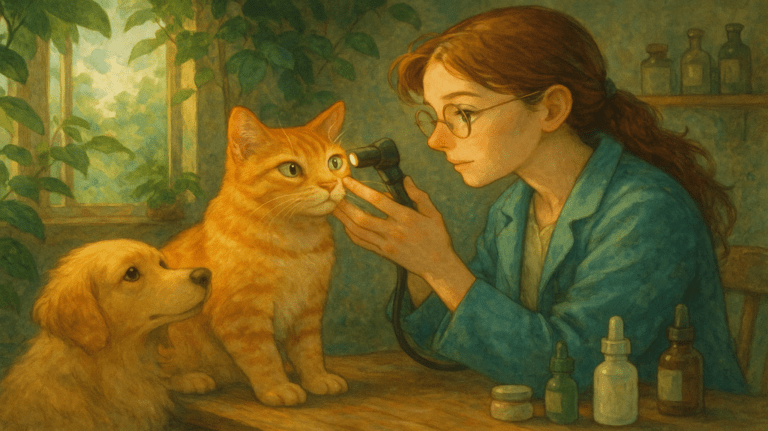

Why Dogs Need Eye Drops
Many dogs require eye drops to treat conditions like infections, dry eye, or injuries, and timely administration often prevents further complications. Treatment can be short-term or lifelong, depending on the issue and your veterinarian’s guidance.
Eye drops help address problems such as conjunctivitis, corneal ulcers, and glaucoma by delivering medication directly to the source. While some situations call for temporary application, chronic conditions may demand daily eye drops for your dog’s entire life. If you are unsure about your dog’s particular eye issue, always consult with a qualified veterinarian for an accurate diagnosis and the proper treatment plan.
Prepping for a Successful Experience
Having the right setup—clean hands, proper positioning, and an open medication bottle—helps keep both you and your dog comfortable during the process. Preparing thoroughly before administering the drops prevents delays and reduces stress.
- Wash Your Hands: Use antibacterial soap and dry thoroughly. Avoid transferring germs that could worsen your dog’s eye condition.
- Gather Supplies: Keep the open eye drop bottle or ointment tube, clean tissues or cotton pads, and treats nearby.
- Choose the Right Space: Select a non-slip or elevated surface for small dogs; for larger dogs, a quiet corner can minimize escape attempts.
- Have Extra Help: A second person can gently steady your dog’s head or calm them with soothing words if your dog tends to resist.
Step-by-Step Application for Calm or Moderate Dogs

Placing eye drops successfully involves creating a stable yet gentle environment where your dog feels secure and won’t flinch away mid-drop. With the correct technique, even mildly stressed dogs can learn to accept their medication more easily.
| Step | Action | Additional Tip |
|---|---|---|
| Initial Setup | Invite your dog into a calm, well-lit space | Offer a small treat before starting to ease tension |
| Gentle Positioning | Use a soft towel or mat for a secure footing | Steady the dog’s shoulders or chest with a relaxed grip |
| Eye Access | Tilt your dog’s head upward slightly | Speak calmly or use a familiar phrase to reassure them |
| Drop Application | Hold the bottle close but not touching the eye | Maintain gentle pressure; avoid jerky movements |
| Quick Reward | Follow through with praise or a small snack | Reinforce good behavior for smoother future applications |
- Position the Dog
- Small/Medium Dogs: Place on a stable table or countertop, covering the surface with a non-slip mat or towel to boost confidence.
- Large Dogs: Gently guide them into a sitting or standing position near a wall or corner, so there’s minimal room to retreat.
- Stabilize the Head
- Rest your non-dominant hand on your dog’s head, with your fingers near the upper eyelid.
- Use your thumb to lift the eyelid gently, creating a pouch in the lower lid for the drops.
- Administer the Medication
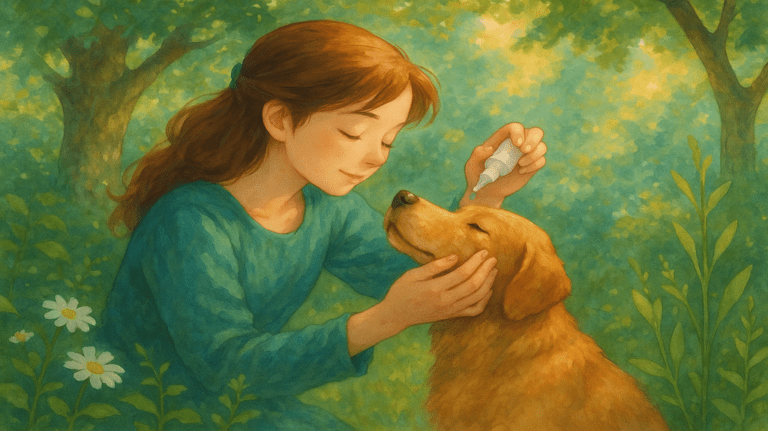
- Hold the eye drop bottle about half an inch to an inch above the eye—never let the tip touch the eyeball or lids.
- Squeeze the prescribed number of drops into the pouch. If it’s ointment, apply a ribbon along the inner lid.
- Let your dog blink naturally or gently close the eyelid for a second to spread the medication.
- Reward and Release
- Praise your dog calmly and offer a favorite treat or a brief play session right after the drops go in.
- Release them promptly so they don’t feel trapped.
How to Give Eye Drops to an Uncooperative or Fearful Dog

Uncooperative or anxious dogs may need a gentler approach, sometimes incorporating rewards, distractions, or gradual desensitization techniques to build trust.
- Avoid Quick Movements: Sudden gestures toward the face can heighten fear. Approach slowly from behind or the side of the head.
- Create Positive Associations: Before applying medication, pair the eye drop bottle with treats, petting, or a favorite toy. Over time, the dog may anticipate something pleasant rather than something scary.
- Use Distractions: Spread a bit of peanut butter on a safe surface at snout level, or have a helper hold a treat at nose height to keep your dog’s eyes and head up.
- Stay Calm: Dogs sense our tension. Speak softly and move confidently to help them remain steady.
Common Oversights and Safety Tips
Small details can be easily missed but make a world of difference in ensuring the process is painless and efficient. Double-check these points to minimize mistakes and protect your dog’s eyes.
| Potential Oversight | Safe Practice |
|---|---|
| Holding your dog too tightly and causing discomfort | Provide a gentle but secure hold, allowing freedom of movement |
| Aiming the applicator tip directly against the eyeball | Keep the tip at a slight distance to avoid contamination |
| Skipping a reward after an uncomfortable experience | Offer a treat or praise immediately to build positive association |
| Using human eye drops or over-the-counter products | Consult a vet-approved medication specifically for dogs |
| Neglecting changes in eye color or discharge | Observe new symptoms closely and schedule a checkup if needed |
- Avoid Bottle Contact: Touching the applicator tip to the eye or skin can contaminate the medicine and irritate the cornea.
- Warm the Medication: If drops or ointment are cold, hold the bottle in your closed hand or pocket for a minute to make application more comfortable.
- Check Expiration Dates: Using expired medication can be ineffective or even harmful.
- Do Not Over-Restrain: Excessive force or physical restraint escalates fear; use the least restrictive approach that still keeps everyone safe.
- Watch for Side Effects: Redness, excess discharge, or increased discomfort should prompt a follow-up with your vet.
Gradual Conditioning: Desensitizing Your Dog to Eye Drops

Positive training techniques can help your dog accept eye drops without a struggle by associating the process with fun and rewards.
- Introduction to the Bottle
- Let your dog sniff the (closed) bottle in exchange for a tasty treat.
- Lightly touch the bottle to areas near the face—not the eye—followed immediately by praise and a reward.
- Touching Around the Eye
- Gently place your hand around your dog’s muzzle or forehead.
- Over multiple sessions, move closer to the eye area, providing treats each time you place your hand there without applying drops.
- Simulate the Motions
- Pretend to administer drops by touching the closed bottle near the eye, then reward.
- Gradually progress to gently lifting the eyelid for brief seconds, praising and offering a treat afterward.
- Introduce Real Eye Drops
- Once your dog tolerates the practice sessions, try with actual medication.
- Keep sessions short and end on a positive note to build confidence over time.
Addressing Aggression or Severe Anxiety
Aggressive or severely anxious dogs require extra caution, which may include professional guidance, protective gear, or short-term calming techniques to prevent injury and ensure proper treatment.
- Consult a Professional: A veterinarian or certified dog trainer can recommend behavior-modification techniques or mild sedatives if necessary.
- Use a Muzzle: In extreme cases, a properly fitted muzzle may be needed to protect both the dog and handler. Pair muzzle training with treats and calm praise to help the dog accept it more readily.
- Explore Medication: If pain is exacerbating aggression, talk to your vet about pain relievers or anti-anxiety options that make eye drop administration easier.
- Team Effort: Complex cases often require two people—one to steady and reassure, the other to administer drops quickly and confidently.
Putting eye drops in your dog’s eyes can become a straightforward routine with the right preparation, consistent technique, and plenty of positive reinforcement. Always seek veterinary advice for specific eye conditions, and never hesitate to ask a professional for additional guidance if your dog’s fear or discomfort escalates. By taking the time to build trust and adopting a confident but gentle approach, most dogs will learn to tolerate (and occasionally even look forward to) their necessary eye care.