
Category: Pet Care
-

Understanding the Basics of Dog Styes A dog stye is a painful, swollen bump on your pet’s eyelid that often appears red and inflamed. While many styes resolve on their own, knowing how to recognize them and provide proper home care is essential to help your dog recover comfortably. A stye typically develops when an…
-

Understanding Canine Cataracts Cataracts in dogs occur when the normally clear lens of the eye becomes cloudy, disrupting normal vision and potentially leading to blindness. Although various factors can trigger cataract formation, age-related changes and underlying health conditions like diabetes are common causes. What Causes Dog Cataracts? Can Cataracts in Dogs Be Cured Without Surgery?…
-

Why Dogs Need Eye Drops Many dogs require eye drops to treat conditions like infections, dry eye, or injuries, and timely administration often prevents further complications. Treatment can be short-term or lifelong, depending on the issue and your veterinarian’s guidance. Eye drops help address problems such as conjunctivitis, corneal ulcers, and glaucoma by delivering medication…
-

Understanding Dry Eyes and Excessive Tearing in Dogs Dry eye, known medically as keratoconjunctivitis sicca (KCS), and excessive tearing can both signal underlying eye problems in dogs. Artificial tears can provide temporary relief by lubricating the eye’s surface, but it’s important to recognize these symptoms as potential indicators of a deeper issue. Many dogs develop…
-
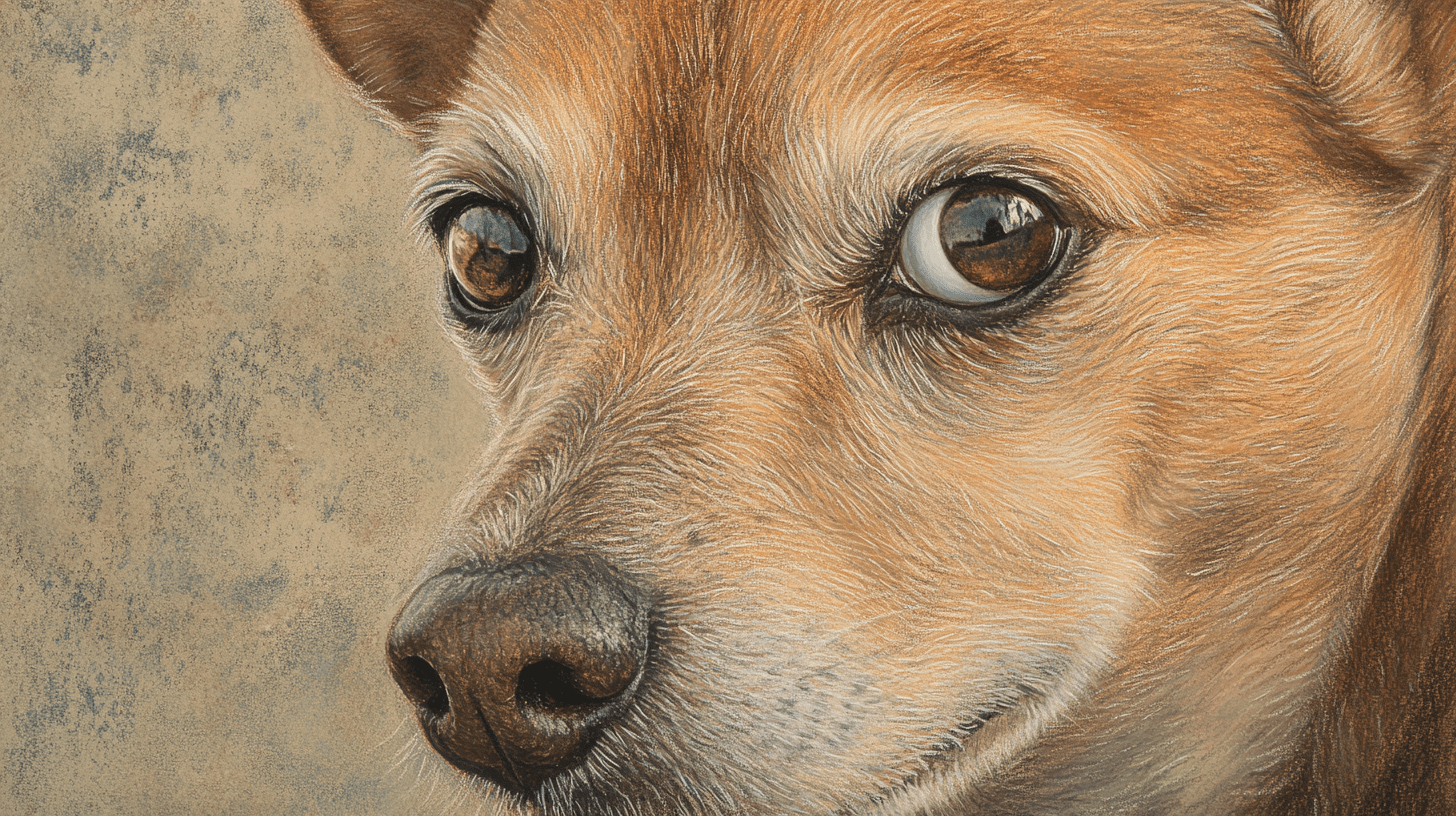
Cataracts in dogs can be distressing for both pets and their owners, as progressive cloudiness in the lens leads to impaired vision or even blindness. Understanding how cataracts develop, what each stage entails, and how to manage them can help dog owners make well-informed decisions about their companion’s eye health. Understanding Dog Cataracts Dog cataracts…
-

Understanding Early Onset Cataracts Early onset cataracts are lens opacities that develop in young dogs, interfering with normal vision and potentially leading to blindness. They can occur at birth (congenital) or emerge during puppyhood (juvenile), well before the typical “senior” years. While cataracts are often associated with older canines, many breeds can experience them much…
-
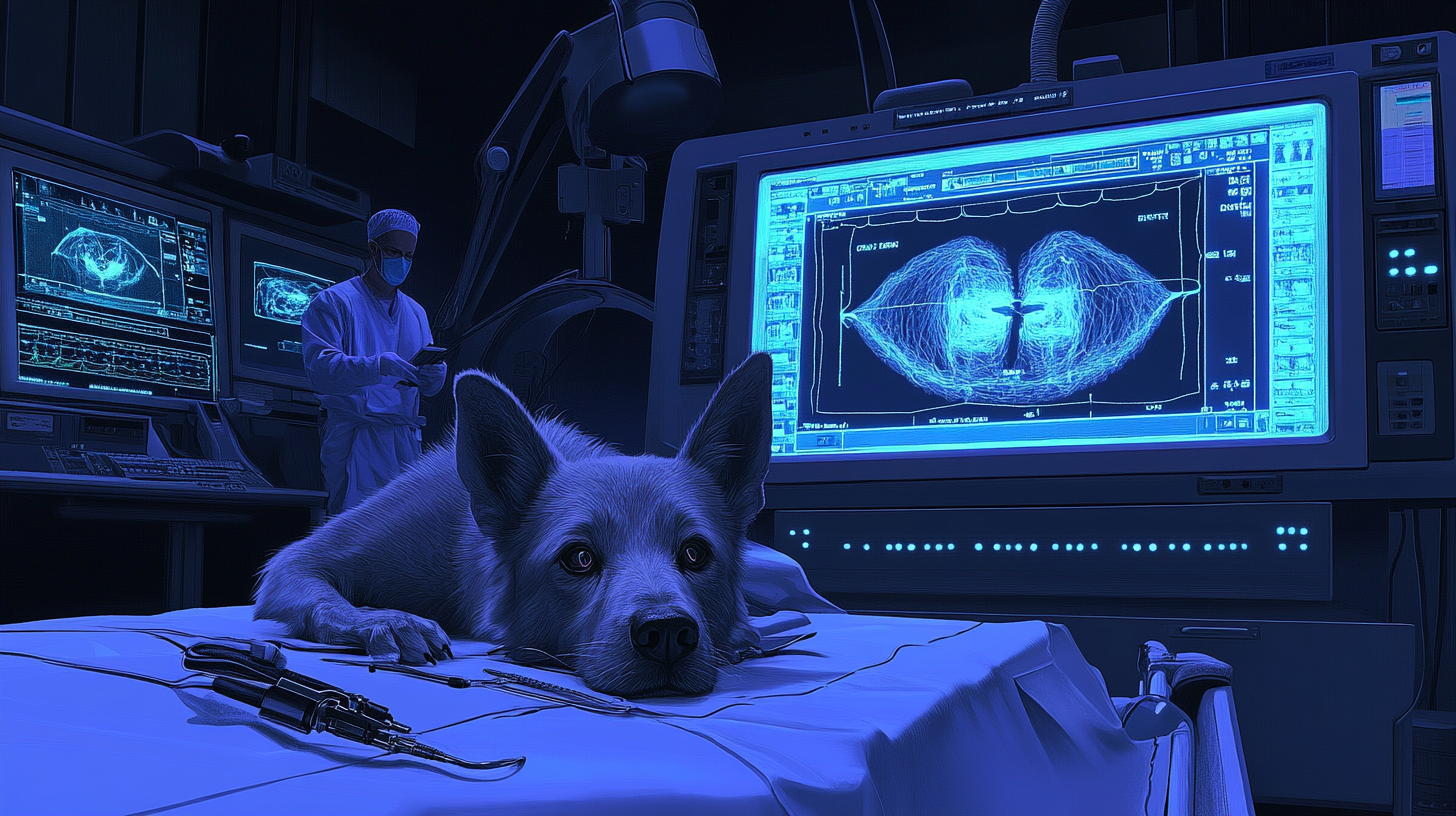
Many dog owners first notice something off when their pup starts bumping into furniture or developing a cloudy appearance in one or both eyes. Cataracts can progress quickly if left unaddressed, eventually leading to significant vision loss. With early detection, however, there are effective ways to manage or even treat this condition so dogs can…
-
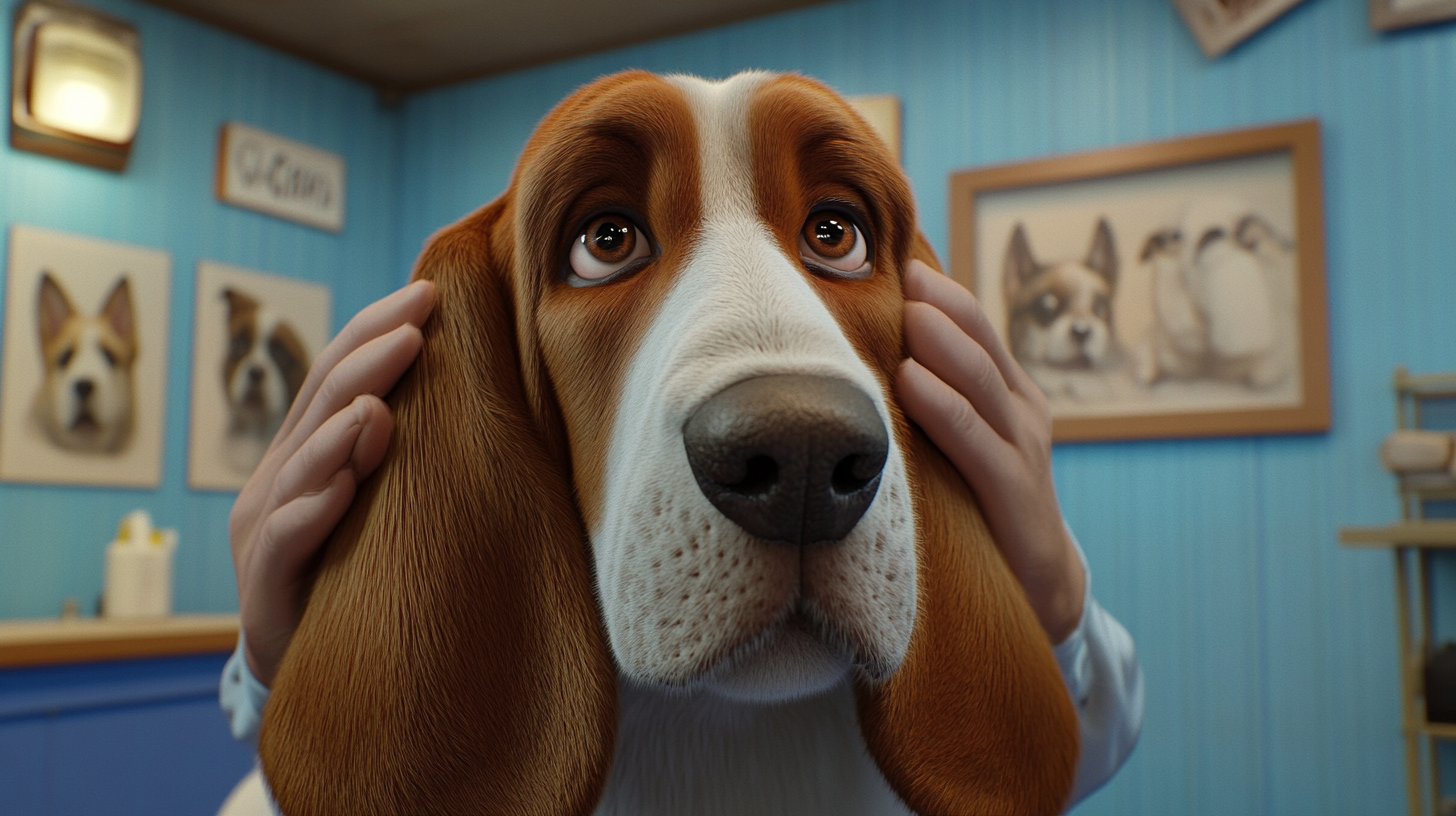
Early detection of ear infections can help keep your pet from being uncomfortable and avoid more serious problems. Of course, veterinary care is important, but it is also important to know how to early warning signs so you can take action before the condition progresses too far. In this comprehensive guide, we will explain what…
-

One of the most versatile and effective antiseptic compounds in veterinary medicine, chlorhexidine is an important compound in the maintenance of canine health. This broad spectrum antimicrobial agent has become an indispensable tool in veterinary practices and home care routines, providing powerful protection against a wide variety of pathogens and possessing a favorable safety profile…
-

What Is Hydrocortisone? A corticosteroid, specifically a glucocorticoid hormone, hydrocortisone is produced naturally in dogs by the adrenal glands. Importantly, it helps to regulate inflammation and immune responses. Synthetic hydrocortisone is used in veterinary medicine to reduce inflammation, itching, and swelling of the skin in dogs associated with several skin conditions. Hydrocortisone Is Used to…